
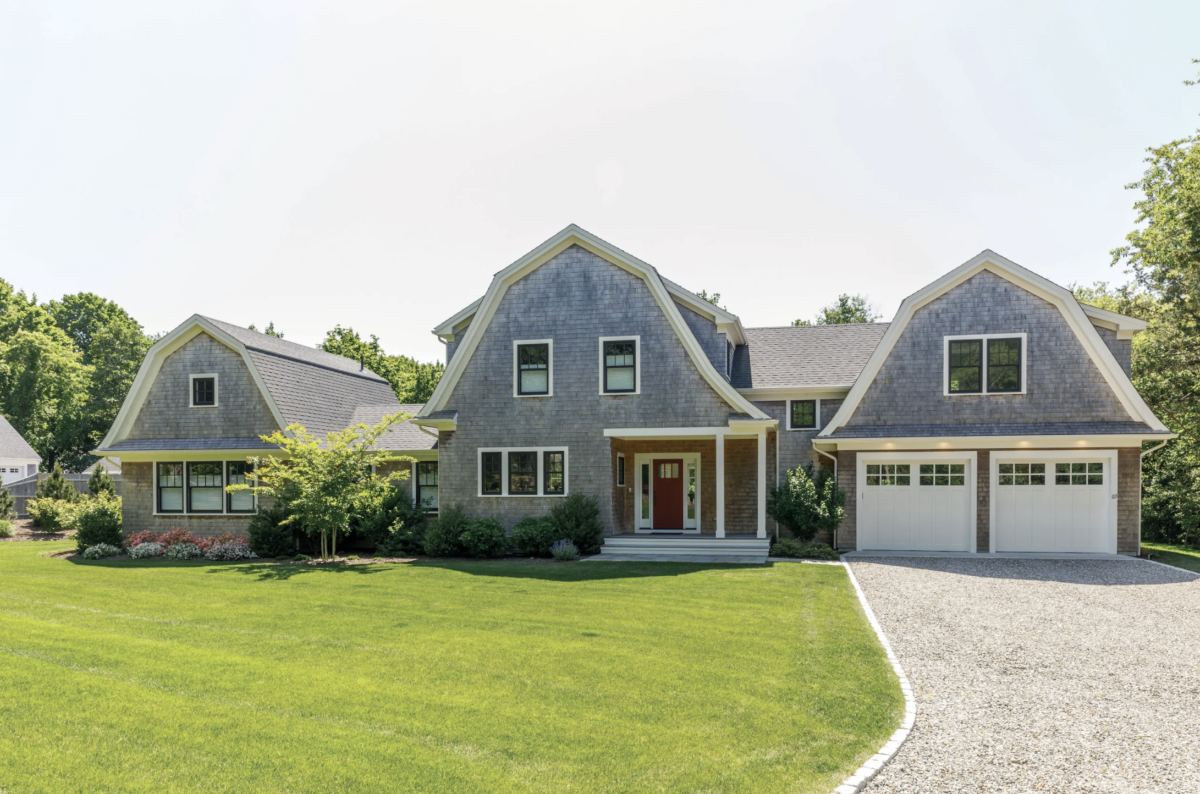
 Choosing a custom home builder is one of the most consequential decisions a homeowner makes during a building or renovation project.
The plans may be beautiful. The property may be exactly where you want it. You may already have a clear vision for the kitchen, primary suite, outdoor spaces, or architectural style.
But the builder you choose will ultimately be responsible for turning those plans into a home that has to perform in the real world.
On Cape Cod, that responsibility comes with its own set of considerations. Coastal weather, older homes, unique lots, local permitting requirements, seasonal construction pressures, and the materials used to withstand the Cape’s environment can all influence a project.
For homeowners searching for a Cape Cod builder or custom home builder on Cape Cod, the question shouldn’t simply be, “Do they build beautiful homes?”
It should be:
“Do they have the experience, process, and perspective to build the right home for this property and the way we intend to live in it?”
Here are seven things worth considering before choosing a custom home builder on Cape Cod.
1. Look for Experience Building in the Local Environment
Building a home on Cape Cod isn’t exactly the same as building one somewhere else.
The coastal environment affects material selection, exterior detailing, moisture management, site planning, and long-term maintenance. Wind exposure, salt air, humidity, freeze-thaw cycles, and intense seasonal weather all become part of the construction conversation.
That local experience matters.
A builder who regularly works throughout Cape Cod is familiar with the practical challenges that can arise on local properties. They understand that two seemingly similar lots can have very different site conditions and that an existing home can reveal surprises once walls and ceilings are opened.
This is particularly important for homeowners considering a Cape Cod home renovation or addition.
The right questions should be asked before construction begins:
- What are the existing conditions?
- How does the property handle drainage?
- What site restrictions need to be considered?
- How will new construction connect to the existing structure?
- Which materials make sense for the property’s exposure?
- What needs to be coordinated with local permitting requirements?
Local knowledge doesn’t replace good design. It helps make good design buildable.
2. Pay Attention to How the Builder Communicates
Construction involves a remarkable number of decisions.
Some are made months before construction begins. Others happen because an existing condition is different from what was expected. Materials change. Lead times move. Design questions arise.
Communication is what keeps those decisions from becoming surprises.
When interviewing a Cape Cod custom builder, pay attention not only to what they tell you, but to how they explain things.
Do they answer questions clearly?
Do they explain why a particular recommendation is being made?
Do they tell you when something could affect the budget or schedule?
Do they make it easy to understand what needs to be decided and when?
Good communication isn’t about eliminating every complication. That’s rarely possible in construction.
It’s about making sure homeowners understand what is happening, why it matters, and what choices are available.
That becomes especially valuable on complex custom homes, renovations, and additions where dozens of decisions have to remain coordinated throughout the project.
3. Look Beyond the Finished Photographs
A builder’s portfolio is important. It shows the quality of the finished work and can help you understand whether their approach aligns with your own aesthetic.
But photographs only show the final result.
They don’t show the planning that happened beforehand.
When evaluating a Luxury home builder on Cape Cod, look beyond the images and ask about the process behind them.
How are projects estimated?
When does the builder become involved with the design?
How are subcontractors coordinated?
How are changes handled?
How are materials selected and ordered?
How does the team communicate with the architect and designer?
What happens when an unexpected condition is discovered?
A beautiful finished home is the result of thousands of decisions that aren’t visible in photographs.
Understanding how those decisions are managed can tell you considerably more about the building experience than a portfolio alone.
4. Find Out How Early the Builder Gets Involved
One of the most valuable opportunities in a custom project comes before construction begins.
A builder who is involved early can provide practical input while the design is still flexible.
That can include reviewing plans for constructability, identifying potential complications, discussing material options, considering sequencing, and helping homeowners understand how different design decisions may affect the overall project.
Once construction begins, changing a wall location is very different from changing it on paper.
The same is true for structural details, mechanical systems, windows, cabinetry, exterior materials, and many other elements.
For homeowners planning a new custom home, early collaboration between the architect, designer, and builder can help align the design with the realities of construction.
It can be equally valuable during Cape Cod remodeling, when an existing structure introduces another layer of complexity.
The earlier the right people are part of the conversation, the more opportunities there are to make informed decisions before those decisions become expensive or disruptive.
5. Make Sure They Understand Both Construction and Craftsmanship
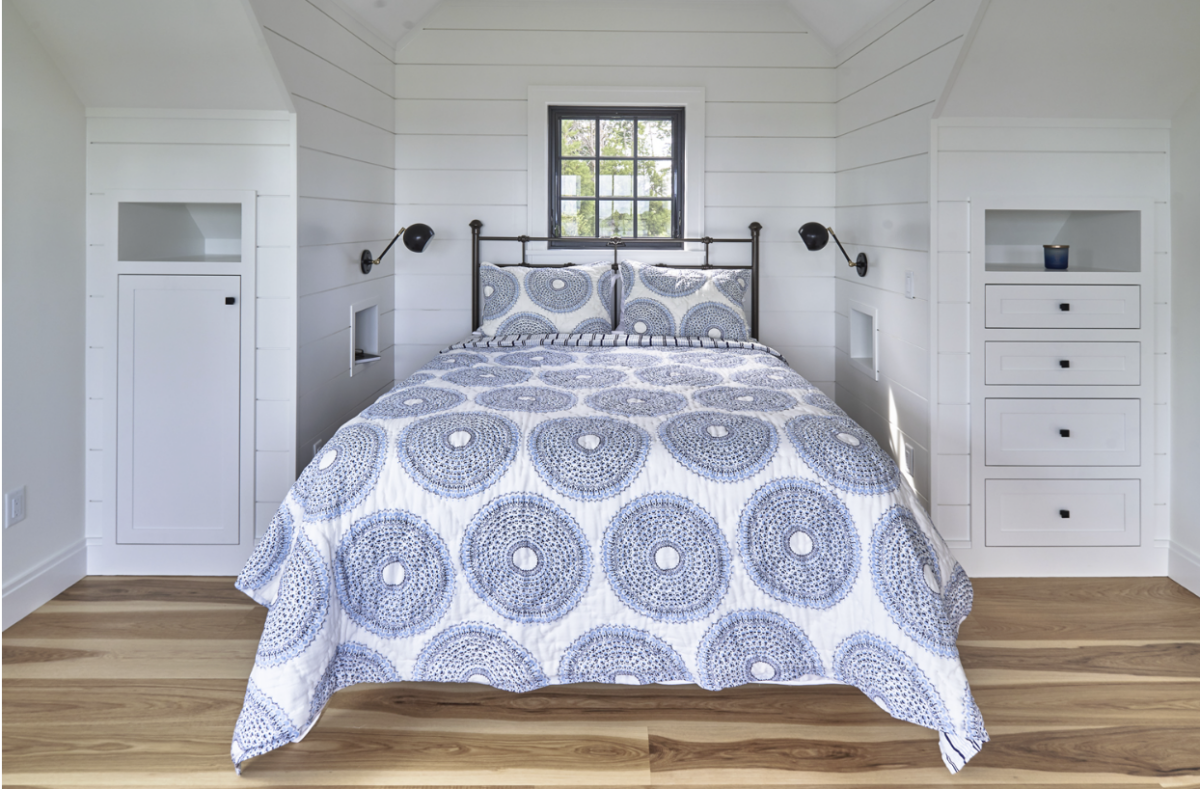
Custom construction isn’t simply about getting a house built.
The details matter.
Exterior trim has to withstand the elements. Windows and doors need to be properly integrated. Interior millwork needs to be installed precisely. Cabinetry, flooring, tile, siding, roofing, and countless other components have to work together as one finished home.
That requires both construction knowledge and attention to craftsmanship.
When evaluating a Cape Cod contractor, ask how the company approaches quality control.
Who oversees the work?
How are details reviewed?
How are subcontractors coordinated?
Who is responsible for making sure the finished work reflects the design intent?
A custom home involves many trades, and the builder plays an important role in keeping those pieces connected.
The goal isn’t simply for every individual component to be well executed. The components need to work together.
6. Ask How They Approach the Site and the Details You Can’t See
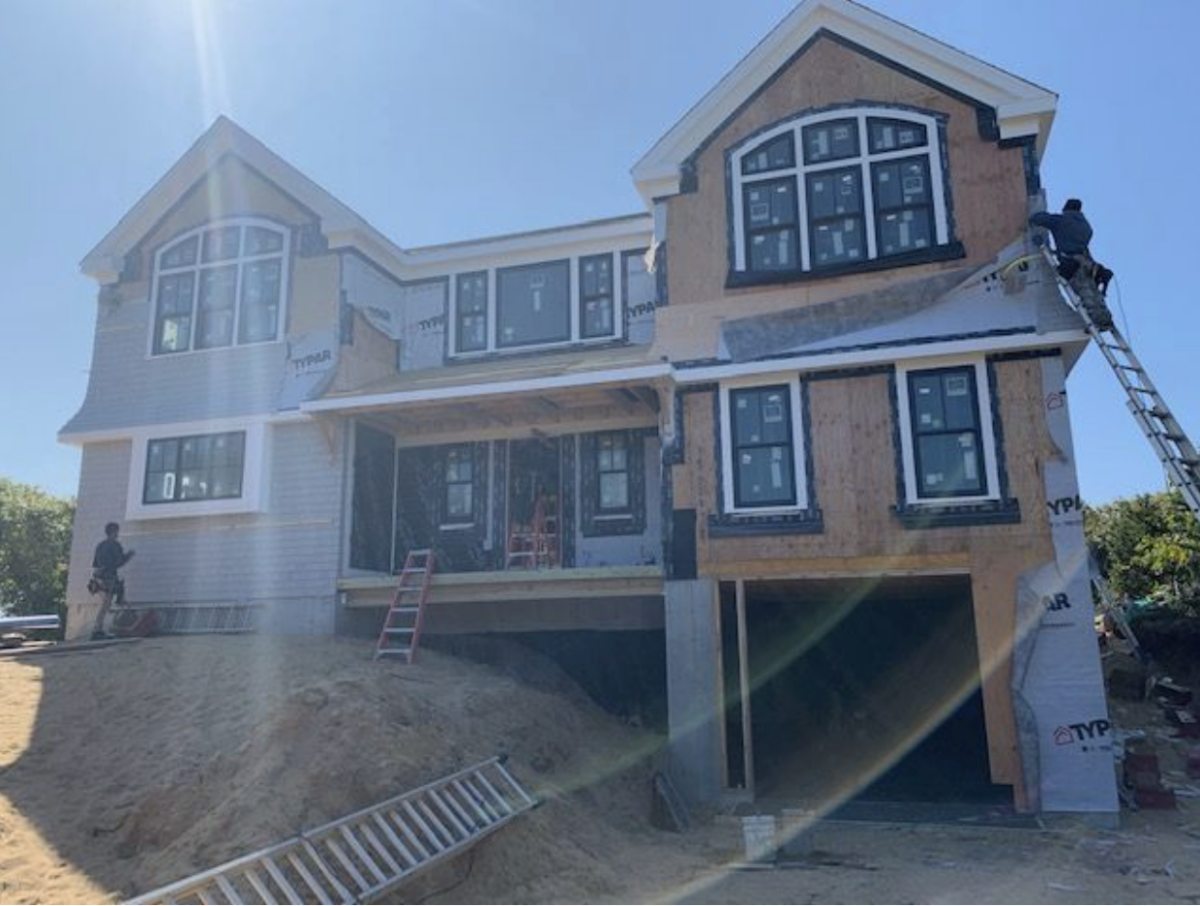
Some of the most important parts of a home aren’t the ones homeowners notice first.
They’re behind the walls, beneath the floors, above the ceilings, and around the exterior envelope.
Drainage.
Insulation.
Air sealing.
Water management.
Flashing.
Structural connections.
Mechanical coordination.
These details may not be what initially attracts someone to a custom home, but they have a significant effect on how that home performs over time.
This is where experience as a Lower Cape builder or Outer Cape builder can become particularly valuable. Local site conditions and coastal exposure can make careful planning especially important.
The same principle applies to additions.
A well-designed Cape Cod home addition needs to feel as though it belongs with the original structure while also performing as part of the complete home.
That requires more than matching siding or trim.
The new and existing structures need to work together structurally, visually, and functionally.
7. Choose a Builder Whose Process Fits the Way You Want to Build
There isn’t one correct way to approach every custom home project.
Some homeowners have already selected an architect and need a builder to execute the plans. Others prefer a more collaborative process where the builder, architect, and design team work together from the beginning.
Some projects are ground-up construction.
Others involve extensive renovations to an existing Cape Cod home.
The important question is whether the builder’s process matches the needs of your project.
Before making a decision, ask what the process looks like from the first conversation through completion.
A good conversation should cover more than the anticipated construction period. It should help you understand:
- Who will be your primary point of contact?
- How are budgets developed and updated?
- How are selections and decisions tracked?
- How are changes documented?
- How does the team coordinate with architects and designers?
- How are schedules communicated?
- How are unexpected conditions handled?
- What happens after the project is completed?
The answers can reveal a great deal about what it will actually be like to work together.
What About References?
A builder should be comfortable discussing previous projects and providing references when appropriate.
But instead of only asking whether a previous client “liked the house,” ask questions about the experience.
Was communication consistent?
Did the builder explain problems clearly?
Were expectations managed throughout the project?
How did the team respond when something unexpected happened?
Did the homeowner feel involved in important decisions?
Would they work with the builder again?
Those answers can provide insight that a finished project photograph simply can’t.
The Right Builder Is About More Than the Finished Home
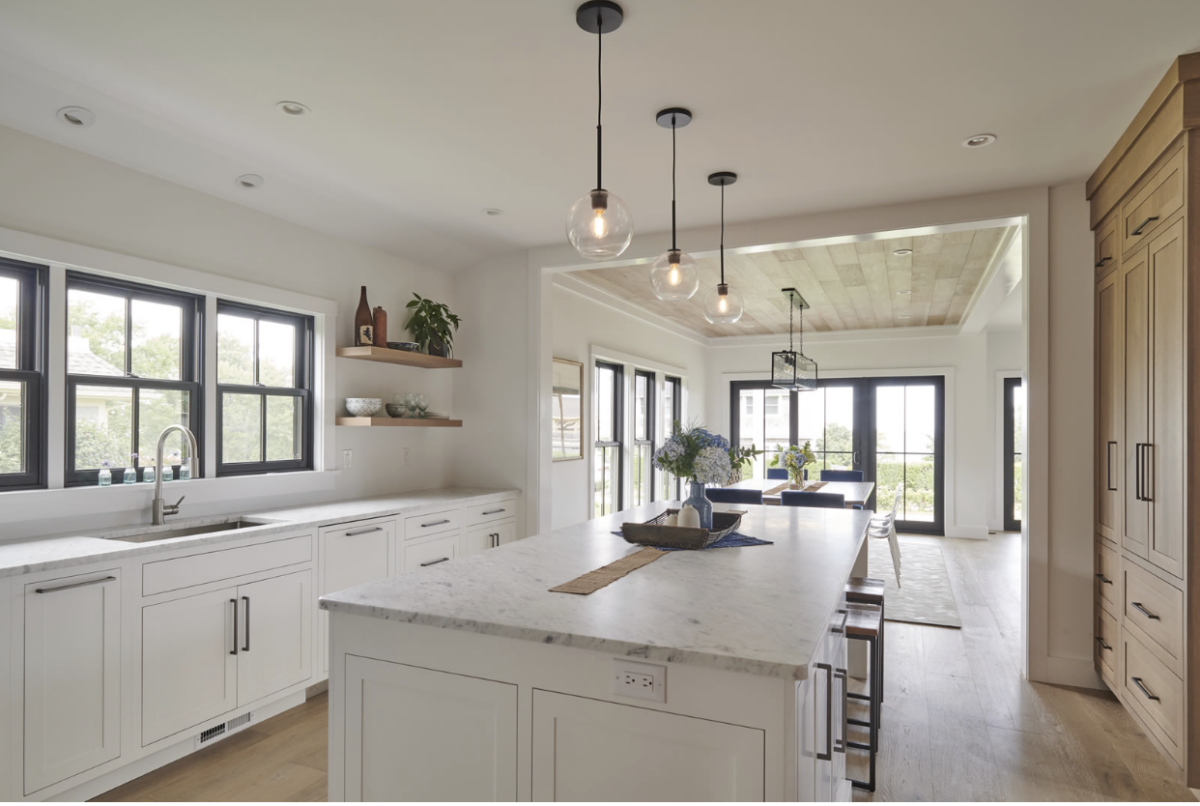
When homeowners begin looking for a Custom home builder on Cape Cod, it’s easy to focus on the visible things first.
The portfolio.
The architecture.
The kitchens.
The bathrooms.
The exterior.
Those things matter. But a custom home is also the product of everything that happens behind the scenes.
Planning.
Communication.
Coordination.
Craftsmanship.
Site knowledge.
Budget management.
Problem-solving.
And thousands of small decisions made throughout the process.
The best builder for a particular homeowner isn’t necessarily the company with the most elaborate project or the largest portfolio. It’s the builder whose experience, process, communication style, and approach to construction align with the project and the people behind it.
Final Thoughts
Choosing a custom home builder on Cape Cod is ultimately about finding a team you can trust with both the big decisions and the details that are easy to overlook.
Whether you’re planning a new home, Cape Cod home renovation, or Cape Cod home addition, take time to understand how a builder approaches the work before construction begins.
Ask questions. Review the process. Look beyond the photographs. Talk about budgets, communication, site conditions, craftsmanship, and how the team handles the unexpected.
Because a successful custom home isn’t defined only by how it looks when construction is finished.
It’s defined by how thoughtfully it was planned, how carefully it was built, and how well it continues to serve the people who live there.
For homeowners considering a project in the Lower Cape or Outer Cape, working with an experienced Cape Cod custom builder from the earliest stages can help turn a vision into a home that is thoughtfully designed, carefully constructed, and built for the way you intend to live.