
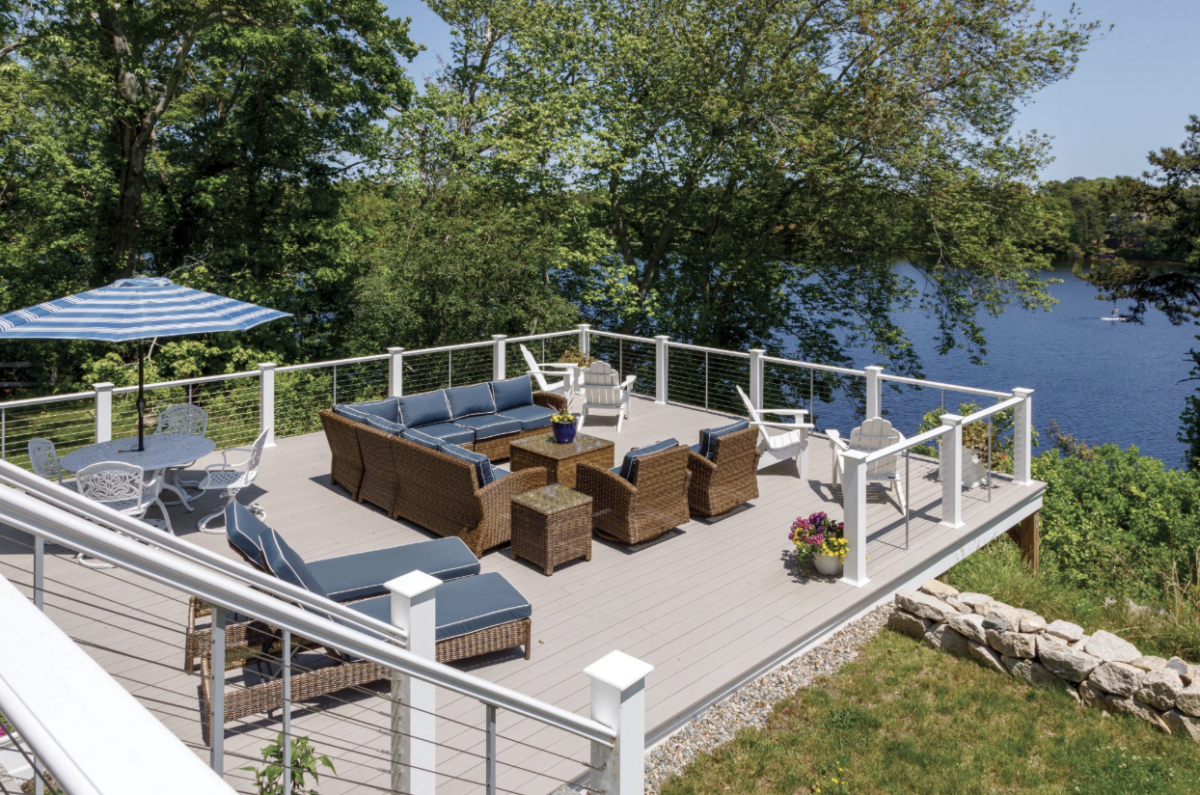
 There was a time when Cape Cod vacation homes were designed with a very specific assumption in mind: people would use them for a few weeks in July and August, close them up after Labor Day, and return the following summer.
The houses reflected that thinking.
Smaller kitchens. Limited storage. Minimal insulation. Sleeping spaces prioritized over gathering spaces. Outdoor showers mattered more than mudrooms. Functionality took a back seat to proximity to the beach.
But the way people use second homes on Cape Cod has changed dramatically over the last decade, and even more so in recent years.
Today’s vacation homes are expected to function very differently. Families work remotely from them. Children spend school breaks there year-round. Owners stay for extended stretches in spring and fall. Some eventually transition the property into a full-time residence altogether.
The modern Cape Cod vacation home is no longer just a seasonal escape. Increasingly, it needs to live like a true primary residence, comfortable, durable, functional, and adaptable enough to support everyday life, not just summer weekends.
That shift is reshaping how thoughtful custom homes are designed across Cape Cod and Southern Coastal Massachusetts.
The Biggest Mistake in Second Home Design
One of the most common issues homeowners encounter with older vacation properties is that the house performs beautifully for short visits but begins to feel frustrating during longer stays.
Storage becomes inadequate.
The kitchen lacks workflow.
Laundry feels inconvenient.
Bedrooms feel disconnected from gathering spaces.
Mechanical systems struggle in colder months.
The home simply wasn’t designed for sustained living.
In many cases, these homes were built around the idea of “vacation mode” rather than real life.
But second-home living today looks far more like primary-home living than many homeowners initially anticipate.
That’s why successful second home design begins with a different question entirely:
“How would this home function if we lived here full-time?”
Even for families who only spend part of the year on the Cape, designing with that mindset creates homes that age better, perform better, and remain comfortable for decades. 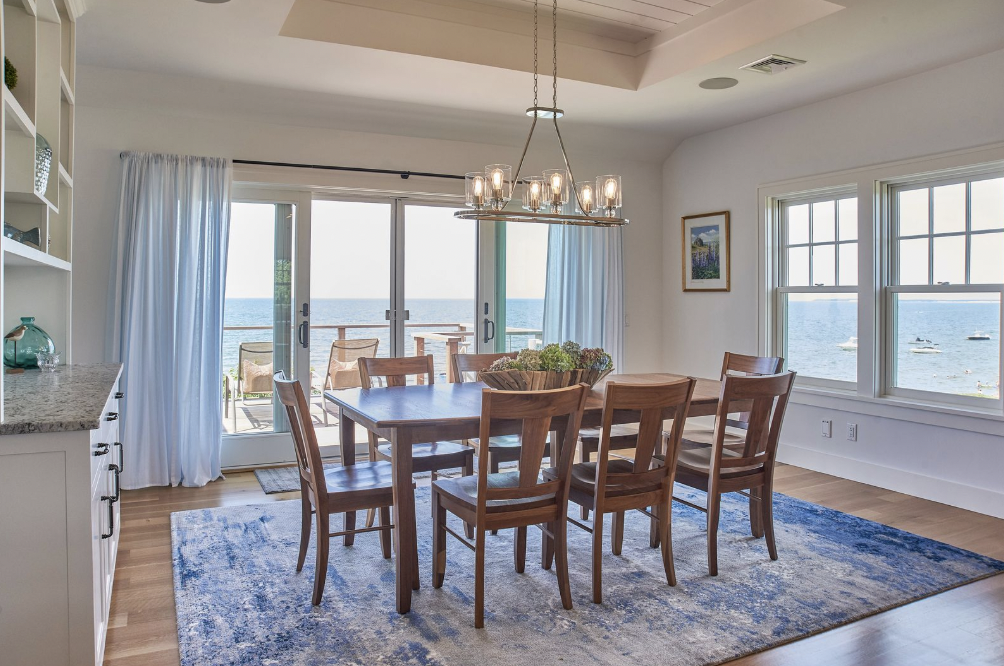
Kitchens Have Become the True Center of Vacation Living
In older Cape vacation homes, kitchens were often treated as compact utility spaces because most meals happened outside, at restaurants, or casually throughout the day.
That’s no longer the reality for many homeowners.
Today’s coastal living patterns revolve heavily around gathering at home. Multi-generational families cook together. Guests stay for extended weekends. Holiday gatherings increasingly happen at second homes rather than primary residences elsewhere.
As a result, kitchens in Cape Cod vacation homes have evolved significantly.
The most successful designs now prioritize:
- Large islands that support conversation and casual dining
- Durable materials that withstand heavy seasonal use
- Hidden storage for bulk supplies and entertaining essentials
- Open sightlines to outdoor living areas
- Secondary prep spaces or pantry kitchens for large gatherings
- Appliance selections that support year-round use
In many custom homes across Southern Coastal Massachusetts, the kitchen is no longer designed as a “vacation kitchen.” It’s designed as the operational center of the house.
And increasingly, that distinction matters.
Designing for Multi-Generational Living
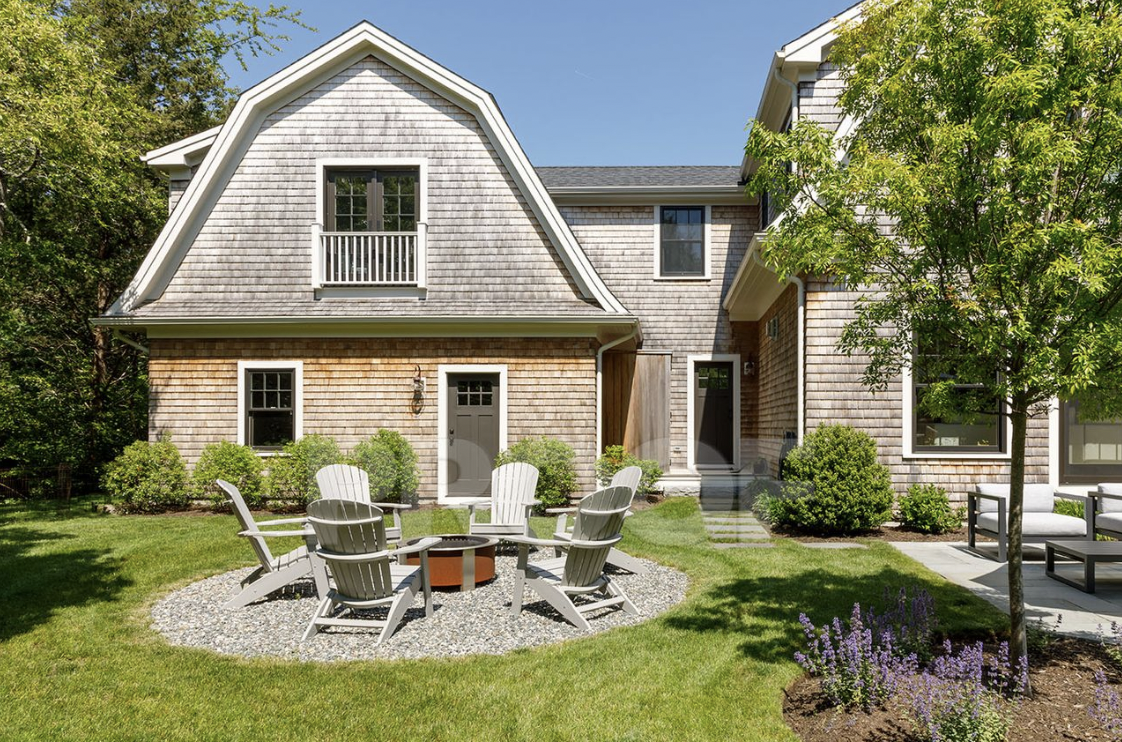 One of the defining characteristics of modern Cape Cod vacation homes is the number of generations using them simultaneously.
Grandparents.
Adult children.
Teenagers.
Visiting friends.
Young families.
A home that works beautifully for two people often performs very differently with ten people sharing it for a long weekend in August.
That reality has changed how architects and builders approach second home design.
Instead of maximizing bedroom count alone, thoughtful layouts now focus on balancing togetherness and privacy.
That often includes:
- Separate guest suites
- Flexible bunk rooms
- Quiet secondary living areas
- Indoor-outdoor transitions that reduce congestion
- Multiple bathroom access points
- Layered seating areas for both large gatherings and quiet retreat
The best vacation homes on the Cape understand that people want to gather together, but they also need moments apart.
Designing for both is what makes a home feel comfortable over time.
Coastal Living Requires Practical Durability
Beautiful coastal homes still need to withstand real coastal conditions.
Salt air.
Humidity.
Sand.
Heavy summer traffic.
Wet towels.
Changing temperatures.
Nor’easters in winter.
Intense UV exposure in summer.
The most successful Cape Cod homes balance refinement with resilience.
That means selecting materials that age gracefully rather than materials that simply photograph well.
Wide-plank engineered flooring often performs better than softer hardwoods in high-humidity environments. Performance fabrics allow gathering spaces to remain relaxed and usable. Exterior materials must tolerate wind, salt, and moisture over decades, not seasons.
Vacation homes that feel effortless usually achieve that feeling because the materials were chosen intelligently from the beginning.
Owners shouldn’t feel anxious every time guests come inside from the beach.
The home should support coastal living naturally.
Storage Matters More Than Most People Realize
One of the least glamorous, but most important, aspects of second home design is storage.
Vacation homes accumulate more equipment than primary residences in many cases:
Beach chairs.
Paddleboards.
Coolers.
Fishing gear.
Extra linens.
Seasonal clothing.
Bicycles.
Outdoor furniture cushions.
Children’s toys.
Holiday supplies.
Without intentional planning, all of it quickly overwhelms the home.
That’s why modern Cape Cod custom homes increasingly incorporate:
- Oversized mudrooms
- Built-in storage benches
- Dedicated owner closets
- Walk-in pantries
- Outdoor equipment storage
- Integrated laundry rooms
- Garage-level storage systems
These spaces rarely appear in magazine photography, but they dramatically impact how a home functions over time.
A vacation home that feels calm and uncluttered in August is almost always one that was designed with substantial hidden storage from the beginning.
Why Year-Round Comfort Has Become Essential
Even homeowners who consider their property a “summer house” often use it far beyond the summer season now.
Spring weekends.
Thanksgiving gatherings.
Remote work retreats.
Fall visits.
Winter holidays.
That means year-round performance matters more than ever.
Insulation quality, HVAC design, window performance, and energy efficiency are no longer secondary concerns in Cape Cod vacation homes. They directly shape comfort and usability throughout the year.
Homes designed for four-season living also protect long-term property value more effectively in today’s market.
Buyers increasingly expect second homes to function seamlessly regardless of season.
That expectation has elevated the importance of thoughtful construction practices throughout Southern Coastal Massachusetts.
Outdoor Living Needs to Feel Intentional
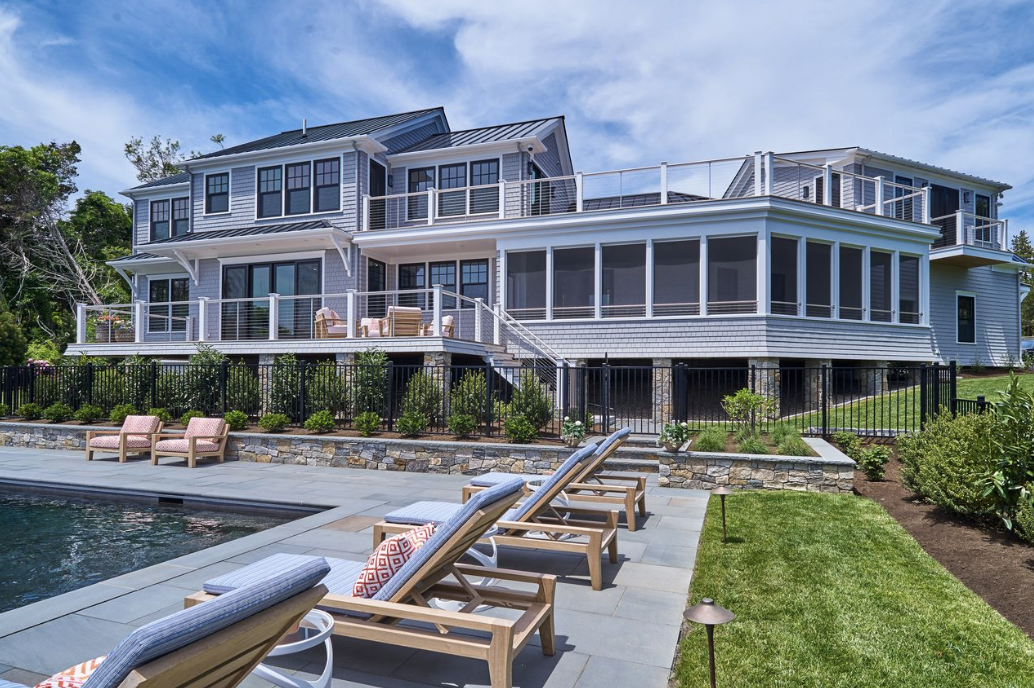 Outdoor space remains central to coastal living, but expectations have changed there as well.
Today’s homeowners want outdoor environments that function like true extensions of the house.
Covered dining spaces.
Integrated outdoor kitchens.
Fire features.
Protected seating areas.
Thoughtful lighting.
Wind-conscious layouts.
Comfortable circulation between indoor and outdoor zones.
The strongest outdoor spaces aren’t simply large decks attached to the back of the home.
They’re integrated living environments designed around how families actually gather and move throughout the property.
On Cape Cod, where seasonal outdoor living defines so much of the homeowner experience, these decisions significantly shape how the home feels day to day.
Flexibility Is Becoming One of the Most Valuable Features
Perhaps the most important shift in second home design is flexibility.
The best modern vacation homes can evolve.
A guest room can function as a future office.
A first-floor suite supports aging in place later.
A bunk room adapts as children grow older.
A secondary living area becomes private space for extended family visits.
The homes that remain successful over decades are rarely the most trend-driven.
They’re the ones designed thoughtfully enough to accommodate changing lifestyles over time.
That’s especially true on Cape Cod, where homes often stay within families for generations.
Final Thought
The idea of a “vacation home” has fundamentally changed.
Today’s Cape Cod homes are expected to support real life, not simply escape from it.
They need to function beautifully for long weekends, remote work stretches, holiday gatherings, rainy spring afternoons, and multi-generational summers that create lasting family memories.
That requires a different level of planning.
The most successful second home design projects on the Cape are the ones that balance beauty with livability, coastal character with durability, and seasonal enjoyment with year-round comfort.
Because ultimately, the homes people return to year after year are rarely the ones designed only for vacation.
They’re the ones designed for living.