
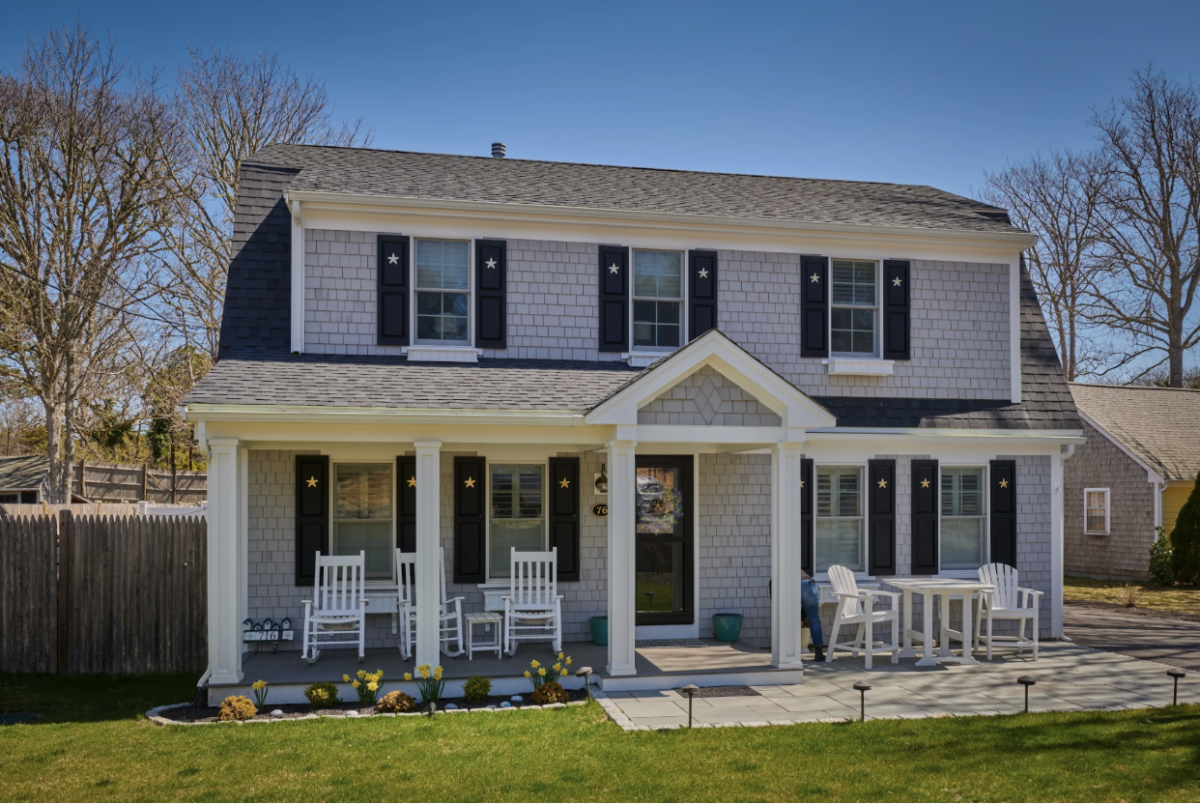
The Cape has always been associated with summer.
Long afternoons on the patio. Evenings spent outdoors with family and friends. Weekends filled with beach days, cookouts, and gatherings that seem to stretch effortlessly from indoors to outside.
But today’s homeowners expect more from their homes than a few months of seasonal enjoyment.
Whether building a new custom home, planning a renovation, or expanding an existing property, many families are looking for spaces that function beautifully year-round while still embracing the relaxed character that makes coastal living so appealing.
One recently completed Cape home offers a valuable example of how thoughtful design can achieve exactly that balance.
While every family lives differently, the design principles found throughout this project highlight several ideas that continue to shape the future of custom home construction across Cape Cod and Southern Coastal Massachusetts.
Outdoor Living Has Become an Essential Part of the Floor Plan
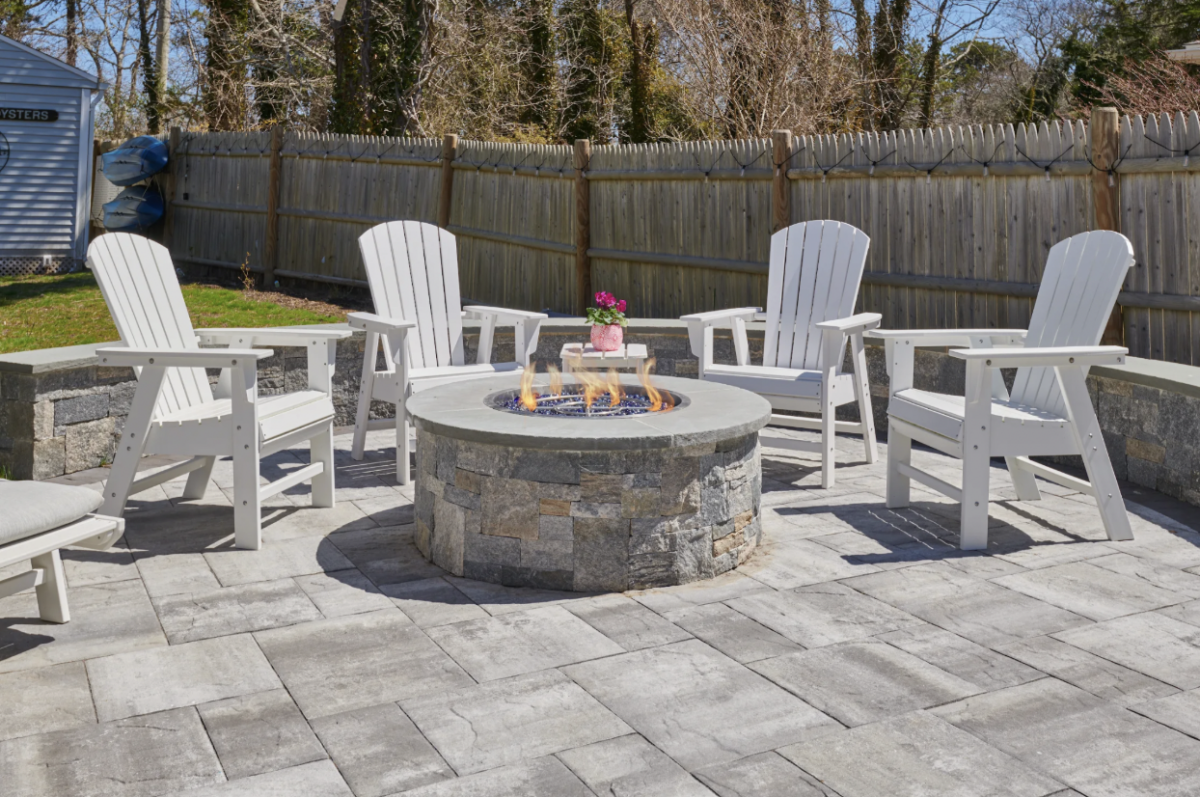
For many homeowners, the backyard is no longer viewed as separate from the home.
Instead, it functions as an extension of everyday living.
One of the most striking features of this project is the expansive hardscape patio that serves multiple purposes simultaneously. Rather than simply creating a place for outdoor furniture, the design establishes dedicated zones for dining, gathering, cooking, and relaxation.
This approach reflects a broader trend in custom home design.
Homeowners increasingly want outdoor spaces that support the same activities they enjoy inside the house.
Outdoor kitchens, fire features, dining areas, and comfortable seating spaces allow families to entertain more naturally while maximizing the use of their property.
When these spaces are planned from the beginning, they feel connected to the home rather than added as an afterthought.
Hardscaping Creates Long-Term Value
Landscaping often receives significant attention during a construction project, but hardscaping frequently has an even greater impact on how a property functions over time.
Patios, walkways, retaining walls, seating areas, and outdoor cooking stations provide structure to a landscape while requiring far less maintenance than heavily planted spaces.
In coastal environments, durability matters.
Materials selected for patios and outdoor living spaces must withstand freeze-thaw cycles, seasonal weather changes, moisture exposure, and years of use.
Well-designed hardscape features not only improve daily living but also contribute to long-term property value.
For homeowners considering a custom home or renovation on Cape Cod, investing in functional outdoor spaces often delivers some of the highest returns in both enjoyment and usability.
Coastal Design Doesn’t Mean Sacrificing Comfort
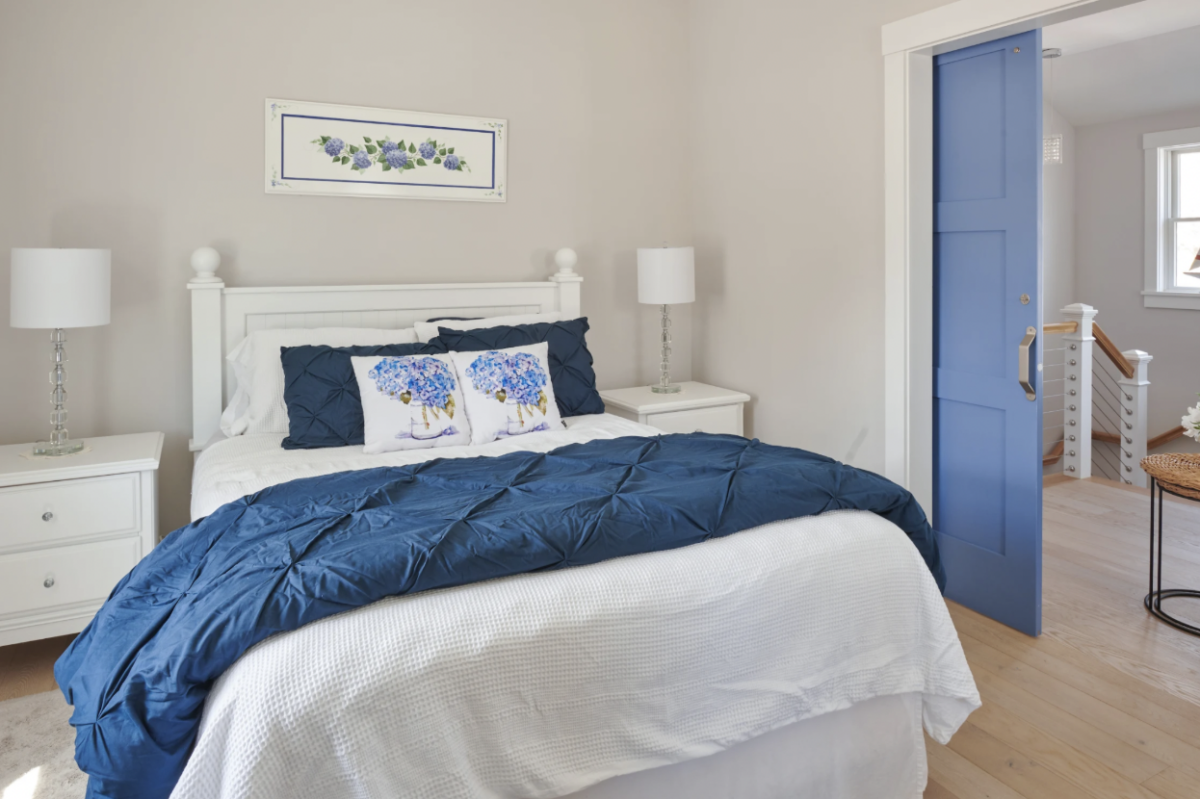
One of the biggest misconceptions about coastal design is that it must feel overly casual or seasonal.
The most successful coastal homes combine relaxed aesthetics with everyday practicality.
Inside this home, soft coastal colors, natural light, durable materials, and efficient layouts create spaces that feel welcoming throughout the year.
Bedrooms remain bright and calming without feeling overly themed.
Living areas provide comfort while maintaining a clean, timeless appearance.
Bathrooms prioritize both function and simplicity.
This balance is becoming increasingly important throughout Southern Coastal Massachusetts, where many homes serve as both vacation properties and primary residences.
Design choices that feel fresh today but remain timeless years from now tend to deliver the greatest long-term satisfaction.
Flexible Spaces Support Changing Needs
One characteristic shared by many successful custom homes is adaptability.
Families evolve.
Children grow older.
Guests visit.
Work-from-home needs emerge.
Retirement plans change.
Homes that can accommodate these shifts tend to perform better over time.
This project demonstrates how thoughtful room layouts and secondary spaces can support multiple uses without sacrificing overall flow.
Whether it’s a guest room that doubles as a private retreat, a detached accessory structure that provides additional flexibility, or outdoor gathering spaces designed for both intimate evenings and larger celebrations, versatility creates long-term value.
When planning a custom home, flexibility should be viewed as an investment rather than an upgrade.
Detached Structures Are Becoming Increasingly Popular
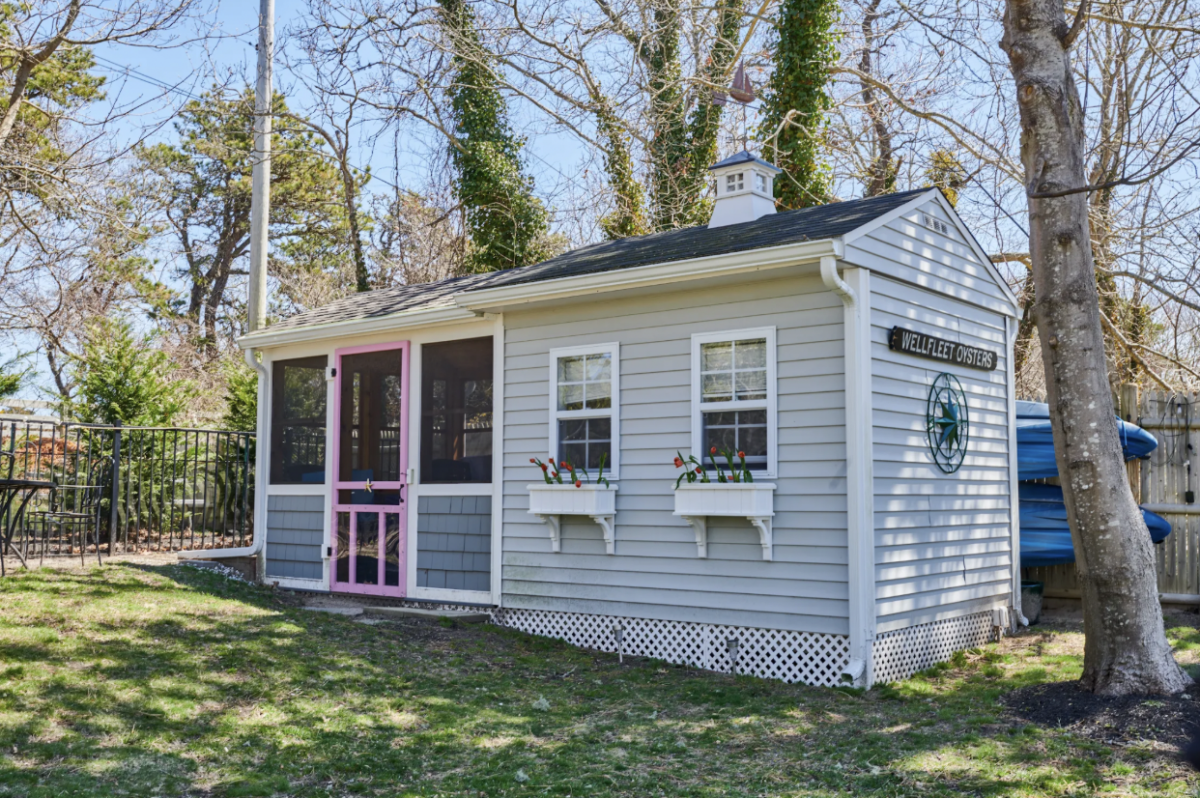
Across Cape Cod, detached structures are becoming one of the most requested features in residential construction projects.
Homeowners are finding creative ways to use these spaces.
Guest accommodations.
Home offices.
Art studios.
Fitness rooms.
Hobby spaces.
Storage solutions.
The appeal lies in separation.
A detached building can provide privacy and functionality without altering the main home’s layout.
As property owners seek greater flexibility from their homes, accessory structures offer practical solutions while enhancing overall property use.
When thoughtfully designed, these buildings can complement the architectural character of the primary residence while serving entirely different functions.
Designing for Entertaining Without Overbuilding
Many homeowners assume that creating an entertaining-focused home requires increasing square footage dramatically.
In reality, successful entertaining is often the result of thoughtful planning rather than larger rooms.
This project demonstrates how carefully designed indoor and outdoor gathering areas can make a home feel expansive without unnecessary complexity.
Comfortable seating arrangements.
Clear circulation paths.
Easy transitions between cooking, dining, and social spaces.
Outdoor areas that naturally encourage conversation.
These design decisions often have a greater impact than size alone.
Especially on Cape Cod, where outdoor living plays such a significant role in daily life, designing spaces that encourage connection often becomes one of the most valuable investments homeowners can make.
Durability Matters in Coastal Homes
Every coastal home faces unique environmental challenges.
Salt air.
Humidity.
Temperature fluctuations.
Seasonal storms.
Heavy summer use.
These conditions place constant demands on building materials.
The most successful custom homes are designed with durability in mind from the very beginning.
Exterior finishes, hardscape materials, decking, windows, doors, and interior surfaces should all be selected based on long-term performance as well as appearance.
Beautiful homes are important.
Homes that remain beautiful with less maintenance are even better.
This principle continues to shape modern custom home construction throughout Cape Cod and Southern Coastal Massachusetts.
The Future of Coastal Living
Today’s homeowners are asking more from their homes than ever before.
They want spaces that support entertaining, relaxation, work, family gatherings, and everyday living.
They want homes that feel connected to the outdoors.
They want durability without sacrificing beauty.
Most importantly, they want homes designed around the way they actually live.
Projects like this demonstrate that achieving those goals isn’t about following trends.
It’s about thoughtful planning, quality craftsmanship, and creating spaces that remain functional and welcoming for years to come.
Whether building new, renovating an existing property, or planning an addition, the most successful homes are the ones that balance comfort, flexibility, and timeless coastal design.
Those qualities never go out of style.