
Building a Home That Lets You Enjoy Cape Cod Instead of Maintaining It
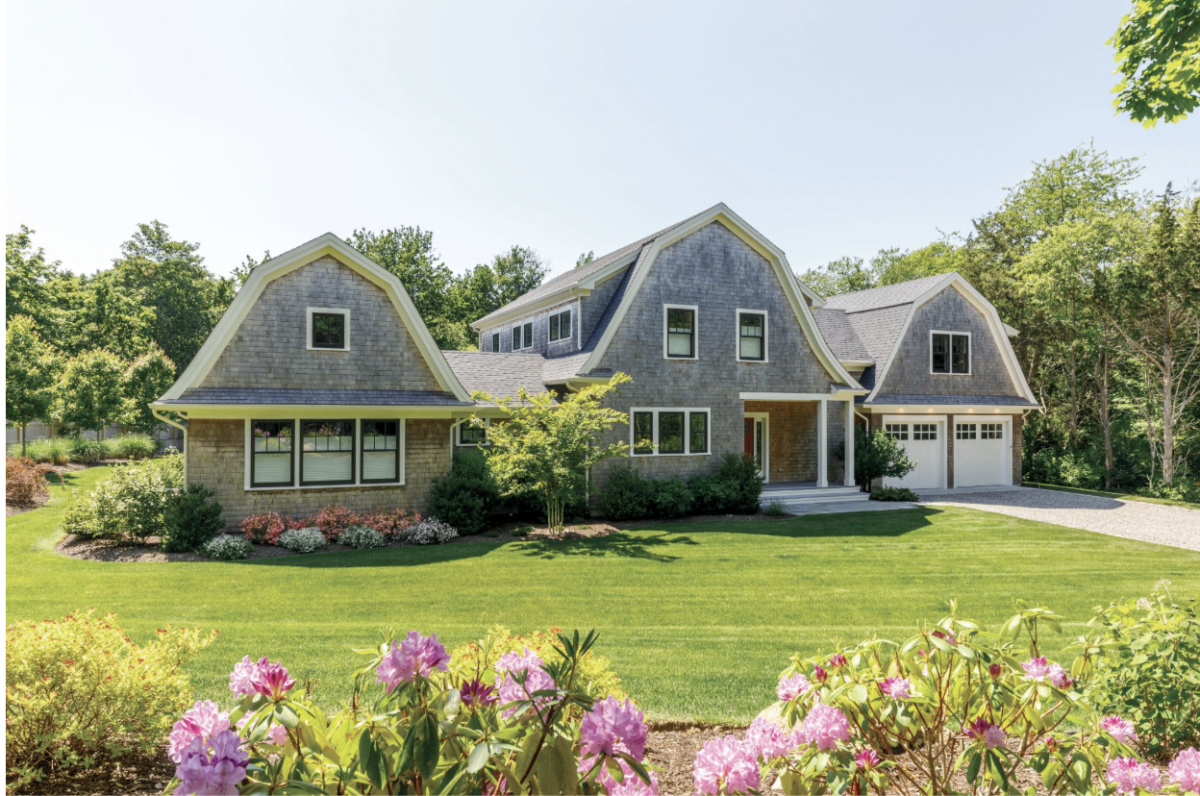
There is a common misconception about luxury homes.
Many people assume that the larger or more custom a home becomes, the more maintenance it requires. More square footage means more upkeep. More features mean more things to repair. More architectural detail means more time spent managing the property.
In reality, the opposite is often true when a home is thoughtfully designed.
The most successful custom homes on the Cape are not simply beautiful. They are intentionally designed to reduce maintenance, withstand the coastal environment, and allow homeowners to spend more time enjoying their property and less time working on it.
That distinction matters.
Whether a home serves as a primary residence, a vacation property, or a future retirement home, the goal is rarely to spend weekends pressure washing siding, replacing weather-damaged trim, repairing decks, or managing landscaping that has outgrown the property.
The goal is to enjoy coastal living.
Designing for low maintenance from the beginning makes that possible.
Why Coastal Homes Face Unique Challenges
Homes along Cape Cod and Southern Coastal Massachusetts experience conditions that are significantly different from homes located inland.
Salt air accelerates corrosion.
Wind drives moisture into exterior surfaces.
UV exposure causes finishes to fade faster.
Sand, humidity, and seasonal weather fluctuations place constant stress on materials.
What looks beautiful during installation may not perform well five years later if it wasn’t selected specifically for a coastal environment.
This is why low-maintenance coastal homes begin with material choices that prioritize durability and longevity rather than short-term appearance alone.
The best coastal homes are designed around the reality of their environment.
Not against it.
Choosing Exterior Materials That Age Gracefully
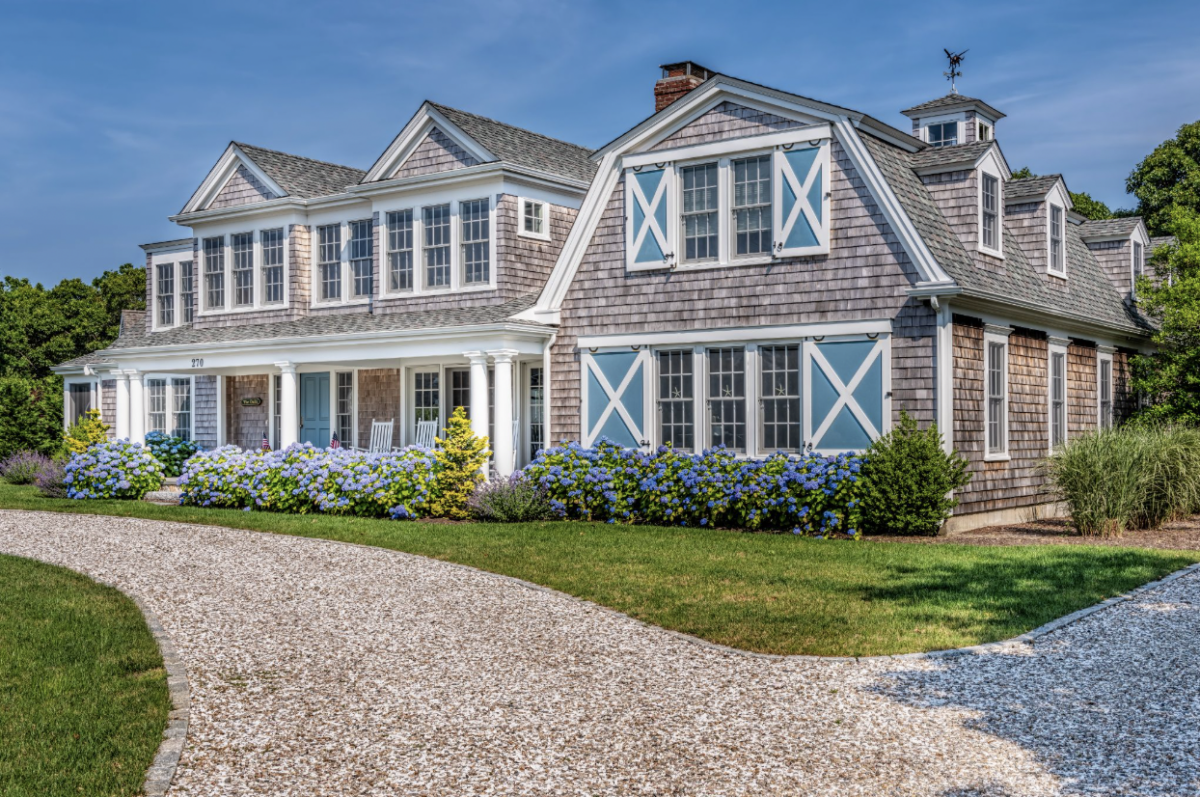
One of the most important decisions in any custom home project is selecting exterior materials.
Many homeowners focus on how siding, trim, roofing, and decking look on day one. Experienced builders focus on how those same materials will perform ten or twenty years later.
Certain materials simply hold up better in coastal conditions.
High-quality composite trim can resist moisture damage, insect activity, and seasonal movement far better than traditional wood in many applications.
Fiber cement siding has become increasingly popular because it offers exceptional durability while maintaining the appearance homeowners want in a coastal home.
Premium architectural roofing products often provide greater resistance to wind and weather while requiring less long-term maintenance.
The goal is not eliminating maintenance entirely.
Every home requires care.
The goal is reducing the frequency, cost, and disruption of that maintenance over time.
Decking That Works With Coastal Conditions
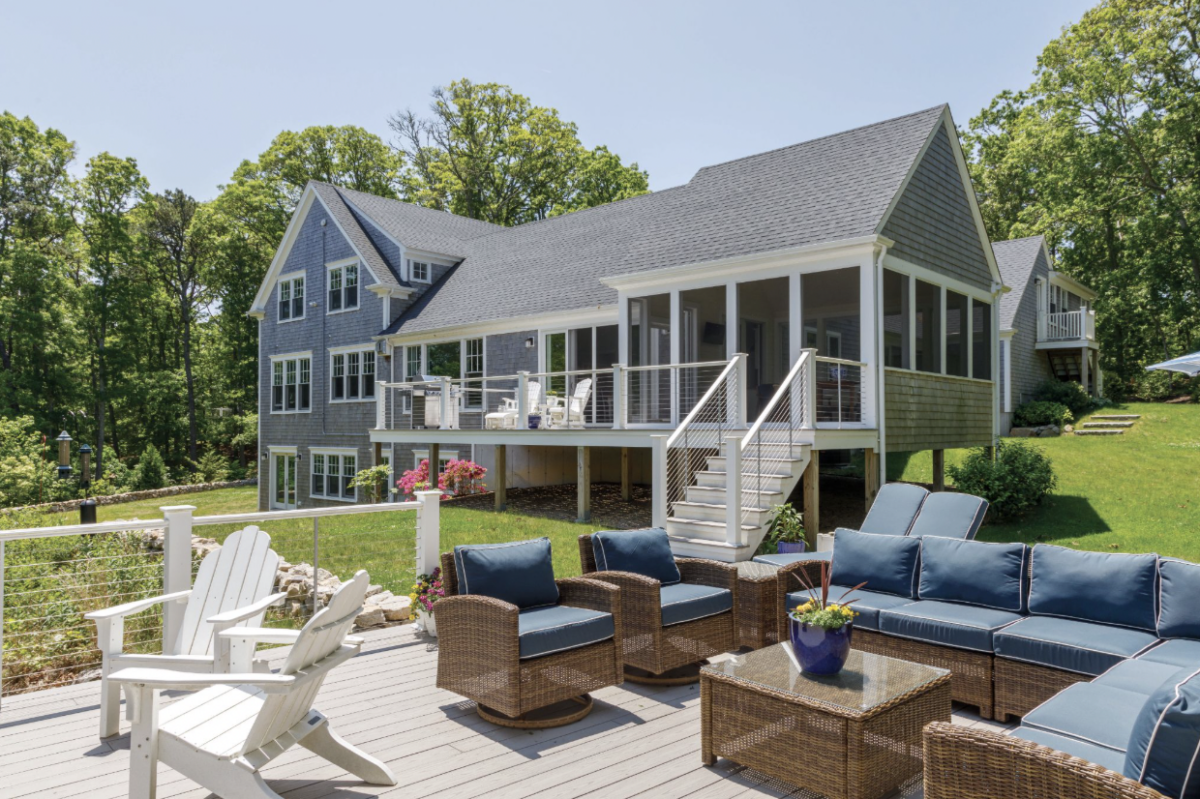
Outdoor living is central to life on the Cape.
Decks, patios, porches, and outdoor entertaining spaces often become the most heavily used areas of a home during the warmer months.
Unfortunately, they are also among the most exposed.
Traditional wood decking can require regular staining, sealing, sanding, and repairs due to moisture exposure and seasonal weather.
Modern composite decking systems have changed the equation significantly.
Today’s premium products offer the appearance of natural wood while resisting fading, splintering, moisture damage, and insect activity.
For homeowners who want to spend summers relaxing outdoors rather than maintaining outdoor structures, durable decking materials can provide substantial long-term value.
The same principle applies to railings, outdoor cabinetry, pergolas, and other exterior features.
Choosing materials designed specifically for coastal exposure can dramatically reduce upkeep over the life of the home.
Landscaping That Doesn’t Demand Constant Attention
When homeowners think about low-maintenance design, they often focus on the structure itself.
The landscape deserves equal consideration.
A beautifully designed property should complement the home without requiring endless upkeep.
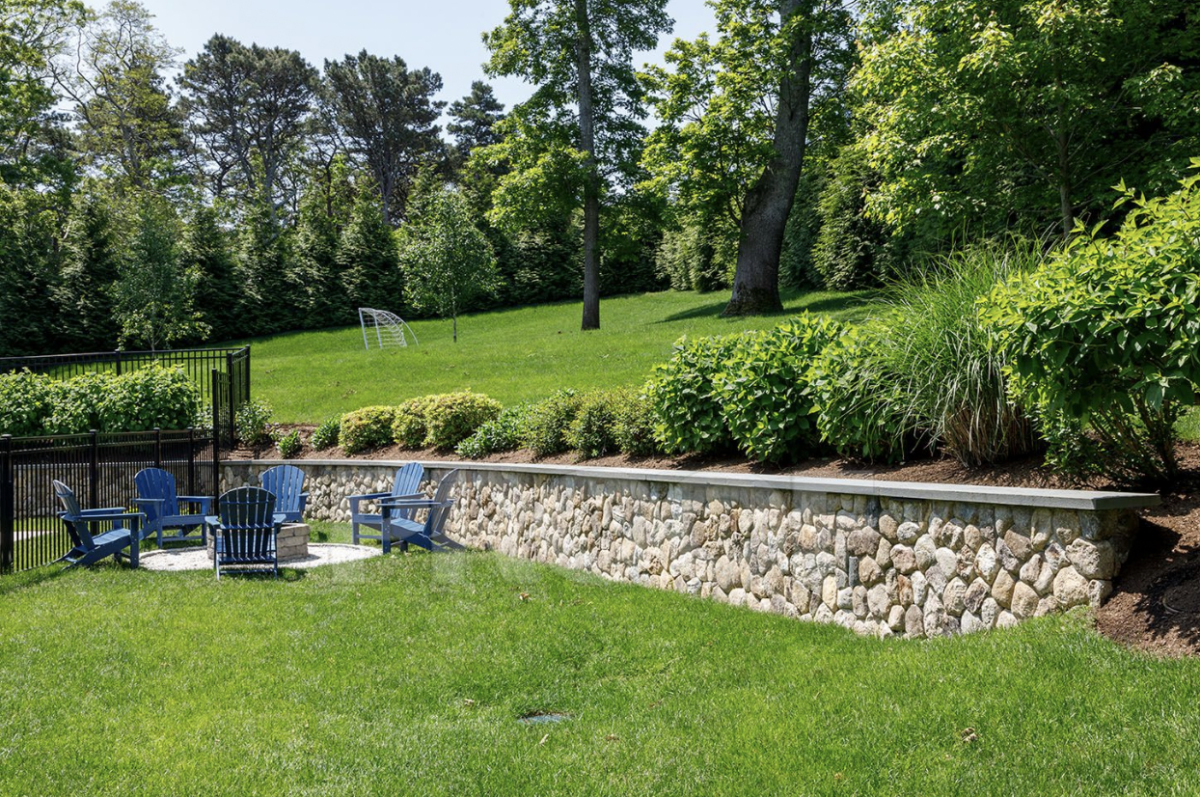
Native and coastal-adapted plantings offer several advantages throughout Cape Cod and Southern Coastal Massachusetts.
They are naturally suited to local conditions.
They often require less irrigation.
They tend to perform better in coastal winds.
Many require less fertilization and ongoing maintenance than non-native alternatives.
Thoughtful landscape design also considers mature plant size.
One of the most common maintenance issues occurs when shrubs and trees outgrow their intended space, creating ongoing pruning and replacement needs.
Designing for long-term growth from the beginning creates landscapes that remain attractive and manageable for years.
Interior Materials Matter Too
Low-maintenance design extends well beyond the exterior of the home.
Inside the house, material selection plays a major role in long-term performance.
Families returning from the beach with wet towels, sandy feet, and active guests place significant demands on interior finishes.
Durable flooring materials are often one of the smartest investments.
Engineered hardwoods, high-quality porcelain tile, and performance flooring products can offer exceptional durability while maintaining the elevated appearance expected in luxury homes.
Performance fabrics have transformed interior design as well.
Today’s high-end upholstery materials resist staining, fading, and wear without sacrificing comfort or aesthetics.
For homes that regularly host family and guests, these choices can dramatically improve daily livability.
A well-designed home should support the way people actually live.
Not require constant protection from normal life.
Windows and Doors Built for Coastal Performance
Windows and doors represent one of the most important investments in any custom home.
They influence comfort, energy efficiency, durability, and maintenance requirements.
Along the coast, exposure to salt air and moisture can quickly reveal weaknesses in lower-quality products.
Premium window systems designed for coastal environments provide stronger protection against weather infiltration while minimizing maintenance concerns.
Properly selected finishes, hardware, and frame materials can help prevent corrosion and premature deterioration.
The same applies to exterior doors.
A beautiful entry system should continue performing year after year without requiring excessive refinishing or repairs.
Choosing the right products at the beginning often prevents costly maintenance issues later.
Smart Design Reduces Maintenance Before It Starts
Sometimes the most effective low-maintenance solutions aren’t products at all.
They’re design decisions.
Rooflines that properly manage water.
Overhangs that protect siding from excessive weather exposure.
Covered outdoor spaces that shield decks and entryways.
Drainage systems designed to move water away from the home efficiently.
Storage spaces that keep outdoor equipment organized.
These decisions rarely receive the same attention as countertops or lighting fixtures, but they can have a tremendous impact on long-term maintenance requirements.
Good design often prevents problems before they occur.
That is one of the most valuable forms of maintenance reduction available.
Technology Is Changing Home Maintenance
Modern smart home systems are making it easier than ever for homeowners to monitor and manage their properties.
Leak detection systems can identify water issues before they become major repairs.
Smart irrigation systems adjust watering schedules based on weather conditions.
Automated lighting and climate controls improve efficiency while reducing unnecessary wear on home systems.
For second-home owners who may spend time away from the property, these technologies provide additional peace of mind and simplify ongoing management.
The most successful implementations are nearly invisible.
They work quietly in the background, helping protect the home while reducing homeowner involvement.
Why Low-Maintenance Design Is Becoming More Important
Homeowners today are increasingly prioritizing simplicity.
They want homes that support their lifestyle rather than consume it.
That trend is particularly evident across the Cape.
Whether someone is building a custom home, renovating an existing property, or planning an addition, there is growing interest in creating spaces that offer beauty, durability, and ease of ownership simultaneously.
The luxury today isn’t found in complexity.
It’s found in freedom.
Freedom from constant upkeep.
Freedom from recurring repairs.
Freedom to enjoy the home the way it was intended.
Final Thought
The best low-maintenance coastal homes don’t happen by accident.
They are the result of thoughtful planning, intelligent material selection, and design decisions made with the future in mind.
On Cape Cod, where homes face constant exposure to salt air, moisture, wind, and seasonal weather, those decisions become even more important.
A well-designed home should grow more comfortable over time—not more demanding.
When durability, performance, and livability are considered from the very beginning, homeowners gain something far more valuable than reduced maintenance.
They gain more time to enjoy everything coastal living was meant to offer.