
There is a fine line between a home that feels connected to the coast and one that feels like it was decorated around a coastal theme.
The difference usually comes down to restraint.
A thoughtful Cape Cod home doesn’t need seashells, anchors, or nautical details in every room to feel at home near the water. Often, the strongest connection to the coast comes from something much quieter: natural light, generous windows, durable materials, comfortable spaces, and a palette that reflects the landscape without trying to imitate it.
This approach creates a home that feels distinctly coastal while remaining timeless enough to live in for years.
For homeowners planning a custom home, renovation, or addition on Cape Cod, that distinction is worth considering from the very beginning. Coastal character should be part of the architecture and the way the home functions, not simply something added through decoration at the end.
Start With Light, Not a Color Palette
One of the most noticeable qualities in a well-designed coastal home is the amount of natural light.
But creating a bright home involves considerably more than choosing white paint.
Window placement, room orientation, ceiling height, interior finishes, and the relationship between adjacent spaces all influence how daylight moves through a house.
In a custom home, these decisions can be considered before construction begins. A window might be positioned to capture morning light in a bedroom, frame a landscape from a living area, or bring additional daylight into a kitchen where the family spends much of its time.
The result is often more effective than simply adding more windows.
The goal is to understand where the light comes from, how it changes throughout the day, and which spaces benefit most from it.
That kind of planning is an important part of custom architecture and one reason early collaboration between a homeowner, architect, and Cape Cod builder can make such a difference.
A Coastal Palette Doesn’t Have to Feel Themed
Blue and white have an obvious connection to coastal design, and there is a reason the combination continues to work.
But the most successful coastal interiors tend to use those colors thoughtfully rather than uniformly.
Soft whites can provide a clean backdrop. Muted blues can add depth without overwhelming a room. Natural wood tones introduce warmth and keep a predominantly light interior from feeling sterile.
In one space, the coastal influence might come through a blue accent wall. In another, it might be cabinetry, upholstery, tile, or artwork.
The important thing is that these elements work together rather than competing for attention.
This creates an interior that feels relaxed and distinctly Cape Cod without looking as though it belongs to a particular decorating era.
For a Cape Cod home renovation, the same principle applies. Existing architectural elements can often become part of the design rather than being removed simply to create something new.
Let the Architecture Carry the Character
Some of the strongest coastal details are architectural rather than decorative.
A vaulted or sloped ceiling can create a sense of volume and draw attention toward natural light. Carefully proportioned windows can frame the surrounding landscape. Built-in cabinetry can provide storage while reinforcing the character of the room.
Even smaller details matter.
Interior doors, trim profiles, millwork, stair details, cabinetry, and lighting all contribute to the overall feeling of a home. When these pieces are considered together, the finished space feels cohesive without needing excessive decoration.
This is where the expertise of an experienced Cape Cod custom builder becomes particularly valuable.
Good construction isn’t simply about executing a set of drawings. It involves understanding how architectural details, materials, proportions, and construction methods come together once the design leaves the page.
Design Kitchens for Gathering, Not Just Cooking
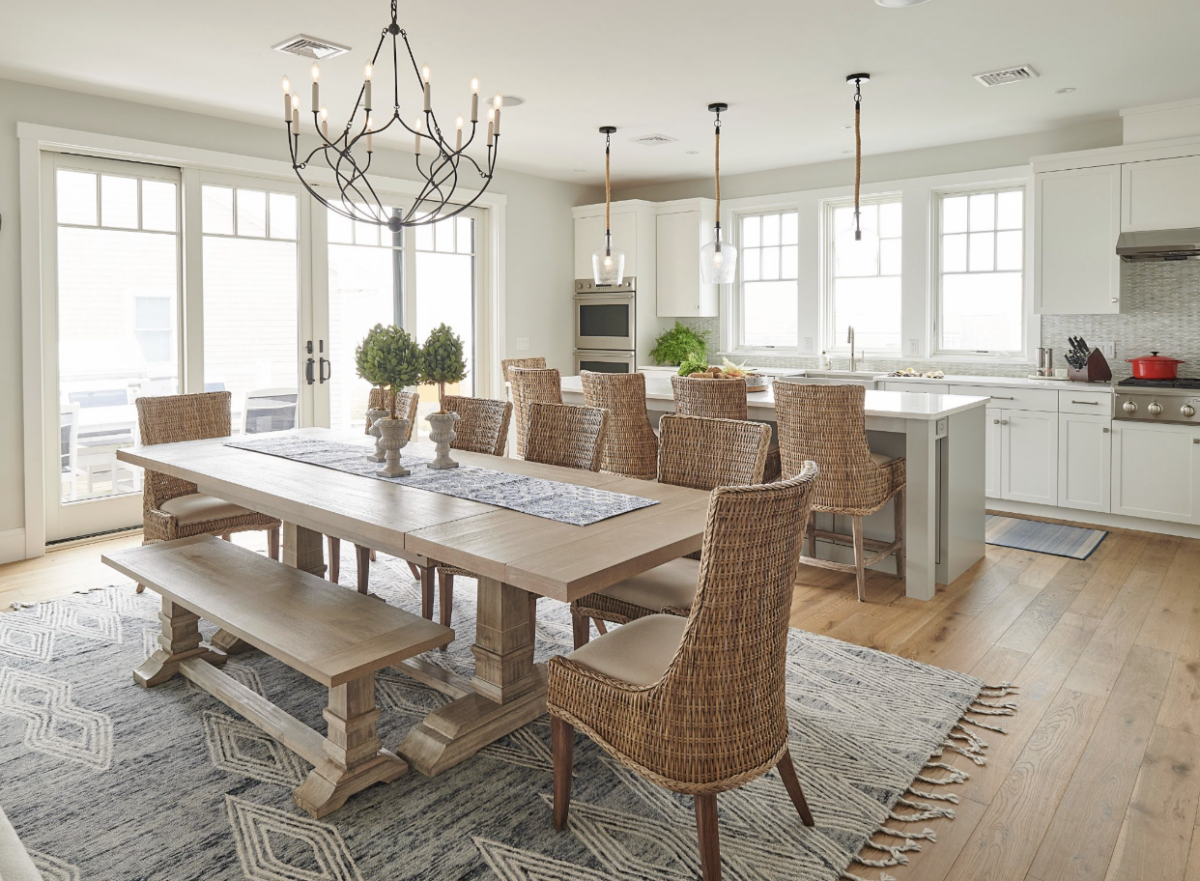
The kitchen shown in this home is a good example of why coastal homes increasingly need to accommodate much more than meal preparation.
The kitchen and dining areas work together as gathering spaces. There is room to prepare food, sit down for a meal, talk with family, and move naturally through the surrounding spaces.
That matters particularly on Cape Cod, where homes often become gathering places for extended family and friends.
A successful kitchen design considers circulation as carefully as cabinetry.
Can two people work in the kitchen at the same time?
Can guests sit nearby without being in the cook’s way?
Is there enough storage for everyday necessities as well as entertaining?
Does the kitchen connect naturally to the dining and living areas?
These questions are more important than simply choosing the latest cabinet style or countertop material.
For homeowners working with a custom home builder Cape Cod families trust, these functional questions should be part of the design conversation long before cabinets are ordered.
Custom Storage Can Make a Beautiful Home Feel Better
Some of the most valuable design decisions aren’t necessarily the ones that appear in photographs.
Storage is a good example.
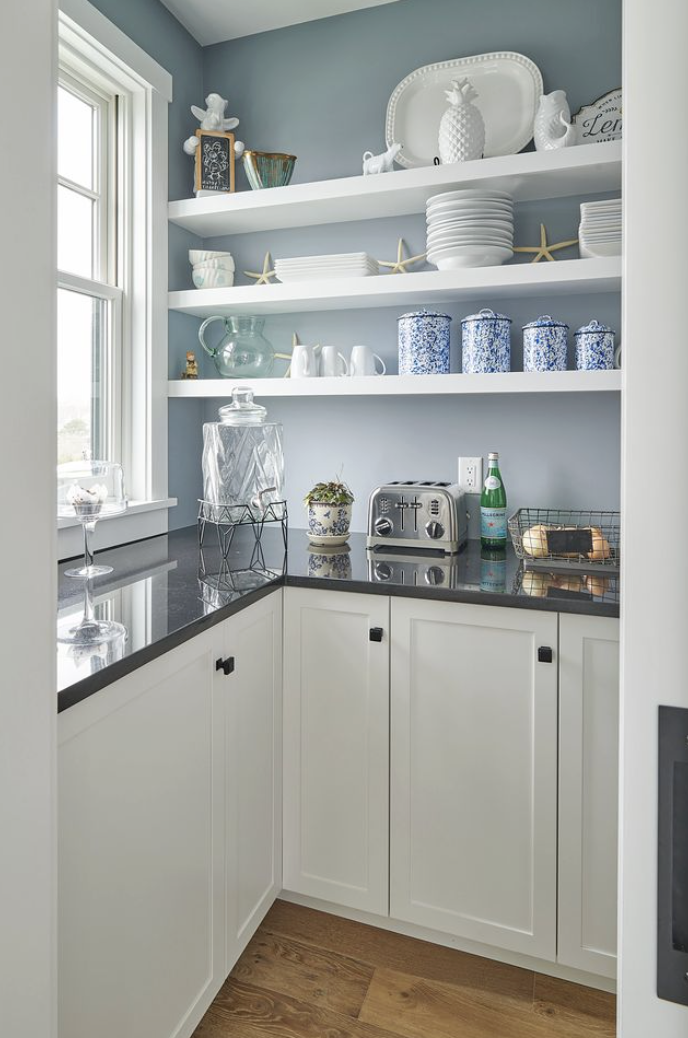
Custom cabinetry can turn otherwise unused wall space into useful storage while maintaining a clean, uncluttered appearance. Built-ins can be designed around the dimensions of a particular room rather than forcing furniture into whatever space remains.
In coastal homes, this becomes especially useful.
Beach towels, extra bedding, entertaining supplies, seasonal clothing, books, outdoor accessories, and everyday household items all need somewhere to go.
A home with enough concealed storage can maintain that calm, open feeling even when it is being used heavily.
This is one area where a Cape Cod home addition can also provide an opportunity to solve functional problems rather than simply adding square footage. A well-planned addition can introduce storage, a better entry sequence, additional living space, or a more functional connection between existing rooms.
Bedrooms Should Feel Like Retreats
Coastal homes tend to benefit from a certain sense of calm, and bedrooms are an ideal place to reinforce it.
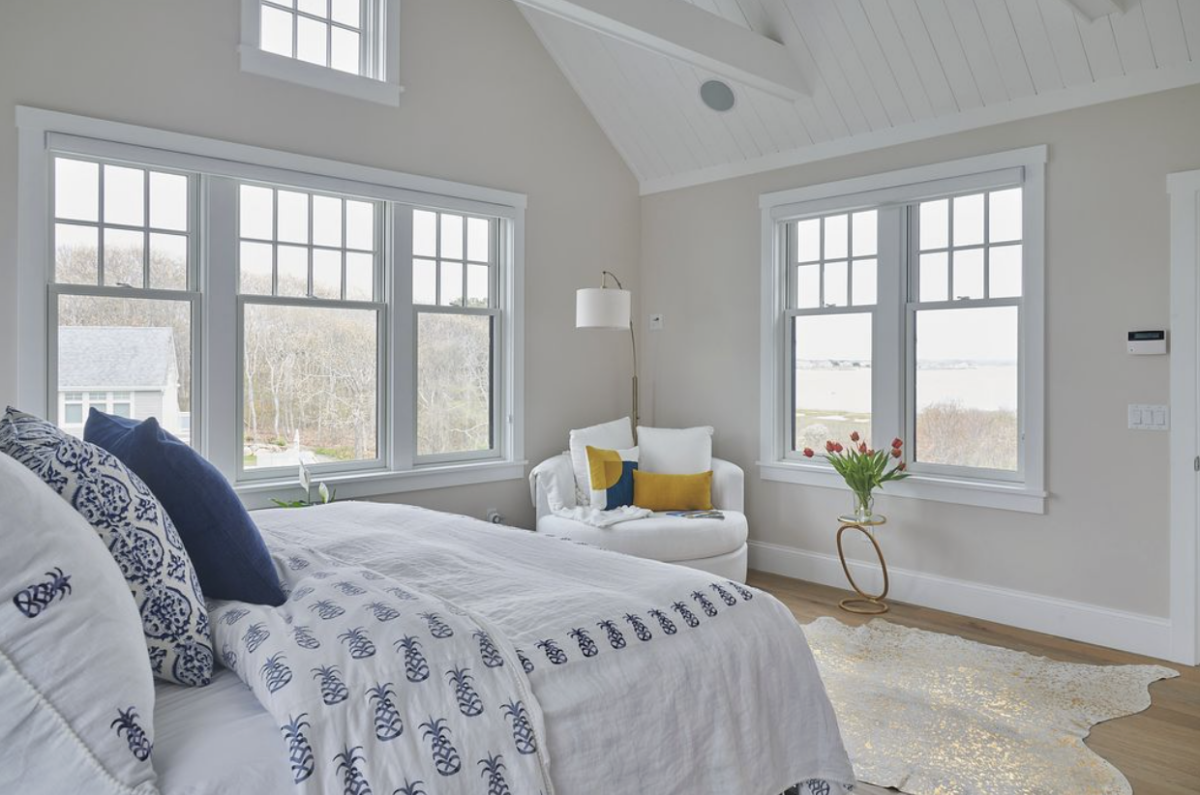
The bedrooms in this project use a restrained palette, natural light, comfortable furnishings, and carefully chosen accents rather than excessive decoration.
That approach is particularly useful in a second home or vacation property, where bedrooms may need to accommodate family and guests for extended stays.
The objective isn’t to make every bedroom identical.
Instead, each room can have its own character while still sharing common materials, colors, and architectural details with the rest of the house.
Consistency creates a sense of continuity. Individual details keep the home from feeling overly designed.
Bathrooms Can Carry the Same Coastal Language
Bathrooms offer another opportunity to continue the home’s design language without repeating it exactly.
Tile, cabinetry, hardware, lighting, mirrors, and plumbing fixtures can all contribute to the overall aesthetic.
A light palette can make a smaller bathroom feel more spacious, while contrasting cabinetry or patterned tile can add character without overwhelming the room.
The key is proportion.
A dramatic material doesn’t necessarily need to cover an entire room to make an impression. Sometimes a single tile treatment, a distinctive vanity, or carefully selected lighting is enough.
For homeowners undertaking Cape Cod remodeling, bathrooms can also be an opportunity to improve function while updating the home’s aesthetic, particularly in older properties where layouts, storage, and mechanical systems may no longer meet the way a household lives today.
Coastal Homes Need to Be Beautiful and Practical
Designing for Cape Cod also means designing for the environment.
Salt air, humidity, sand, strong sunlight, wind, and changing temperatures all affect how a home performs and how materials age.
That makes material selection an important part of coastal design.
The best choices aren’t necessarily the most expensive ones. They are the materials that are appropriate for their location and intended use.
Interior flooring needs to withstand everyday traffic. Cabinet finishes need to hold up to repeated use. Exterior materials need to perform in a demanding coastal environment. Hardware and fixtures should be selected with both appearance and longevity in mind.
An experienced Cape Cod contractor can help homeowners understand these practical considerations before materials are finalized, particularly when a project involves an older home, a significant renovation, or a complex addition.
Creating a Home That Feels Connected
Ultimately, successful coastal design isn’t about creating a house that looks like a postcard of Cape Cod.
It’s about creating a home that feels like it belongs here.
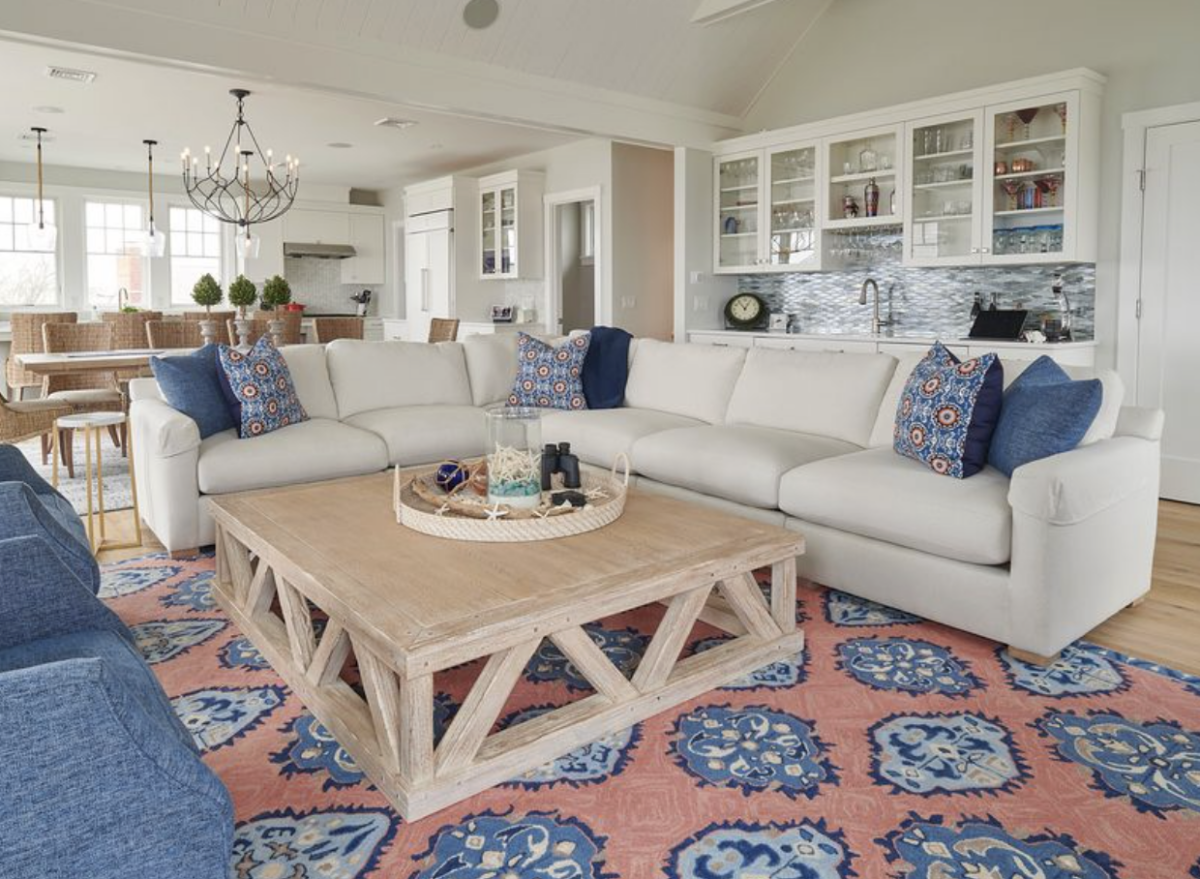
Natural light connects the interior to the landscape. Windows frame outdoor views. Comfortable gathering spaces encourage people to stay awhile. Durable materials make the home easier to live in. Custom storage keeps everyday life organized. Architectural details provide character without relying on trends.
When these decisions are considered together, the result feels effortless.
And that effortlessness is rarely accidental.
It comes from making dozens of thoughtful decisions during the design and construction process, then making sure those decisions work together.
Thoughtful Design Starts Before Construction
Whether you’re building a new home or rethinking an existing one, the strongest results usually come from addressing the big questions early.
How should the home relate to the site?
Where should natural light enter?
How will family and guests move through the house?
Where is additional storage needed?
Which materials will stand up to coastal conditions?
Which architectural details will still feel appropriate years from now?
These are the conversations that shape a successful project.
For homeowners considering a Cape Cod home renovation, new custom home, or addition, bringing an experienced builder into those conversations early can help identify opportunities, and potential complications, before they become expensive changes in the field.
A skilled Lower Cape builder or Outer Cape builder understands that building along the Cape isn’t simply about reproducing a particular architectural style. Every property, neighborhood, landscape, and homeowner has different needs.
Final Thoughts
The most enduring Cape Cod homes aren’t defined by how many coastal details they contain.
They’re defined by how naturally everything works together.
Light, architecture, materials, storage, circulation, and comfortable gathering spaces all have a role to play. When those elements are thoughtfully considered from the beginning, a home can feel relaxed and distinctly coastal without ever feeling overly themed.
That’s the real value of thoughtful custom architecture: creating a home that reflects its setting while still feeling personal to the people who live there.
For homeowners planning a new build, Cape Cod remodeling, or a Cape Cod home addition, working with an experienced Cape Cod custom builder early in the process can help turn those ideas into a home that is as functional as it is beautiful.