
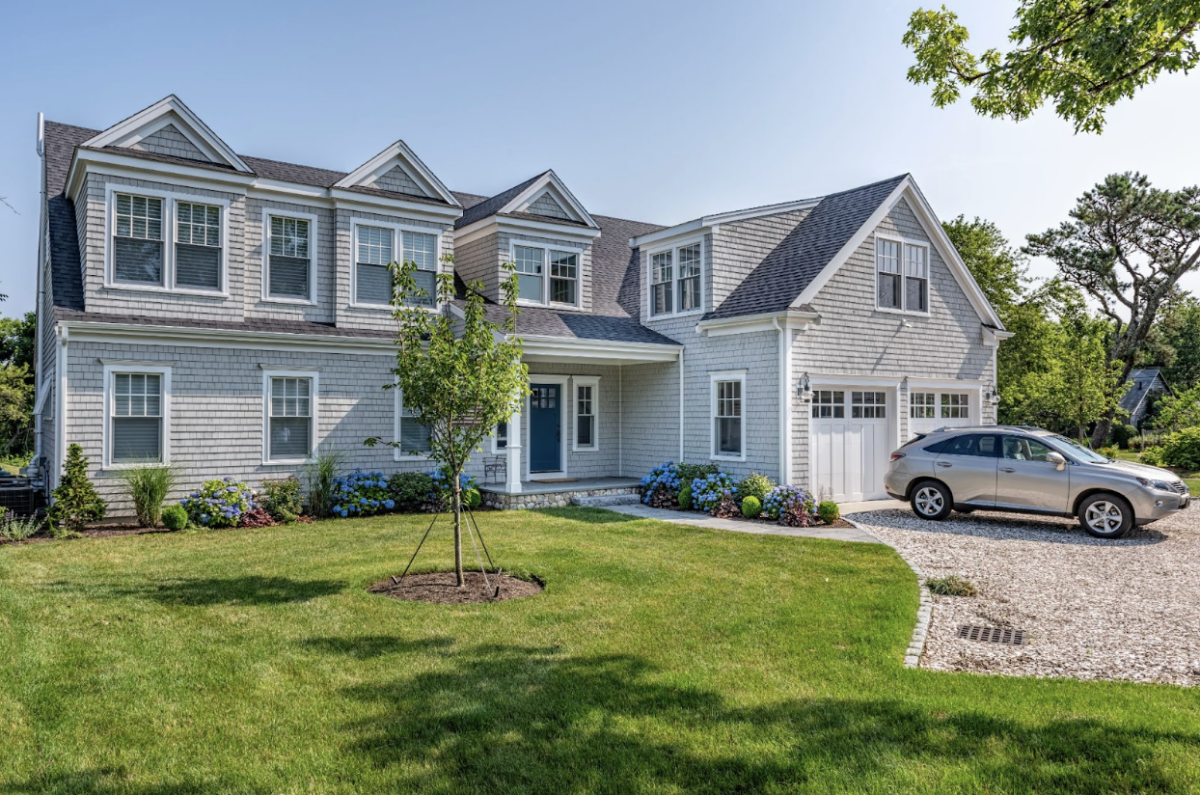
Why Orientation and Window Strategy Matter More Than You Think
Natural light has always been one of the most defining elements of coastal architecture. On Cape Cod and throughout Southern Coastal Massachusetts, the way sunlight moves across the landscape, reflecting off water, filtering through pines, and shifting with the seasons, plays a powerful role in how homes feel and function.
For homeowners planning a custom build, renovation, or addition, natural light home design is often one of the most important considerations. Yet many people assume that simply adding larger windows will achieve the desired result.
In reality, thoughtful window placement design begins long before framing starts. Orientation, architectural proportion, and an understanding of how light behaves in coastal environments all influence the final outcome.
When these elements work together, the result is a home that feels brighter, calmer, and more connected to its surroundings throughout the year.
Understanding the Path of Light in Coastal Environments
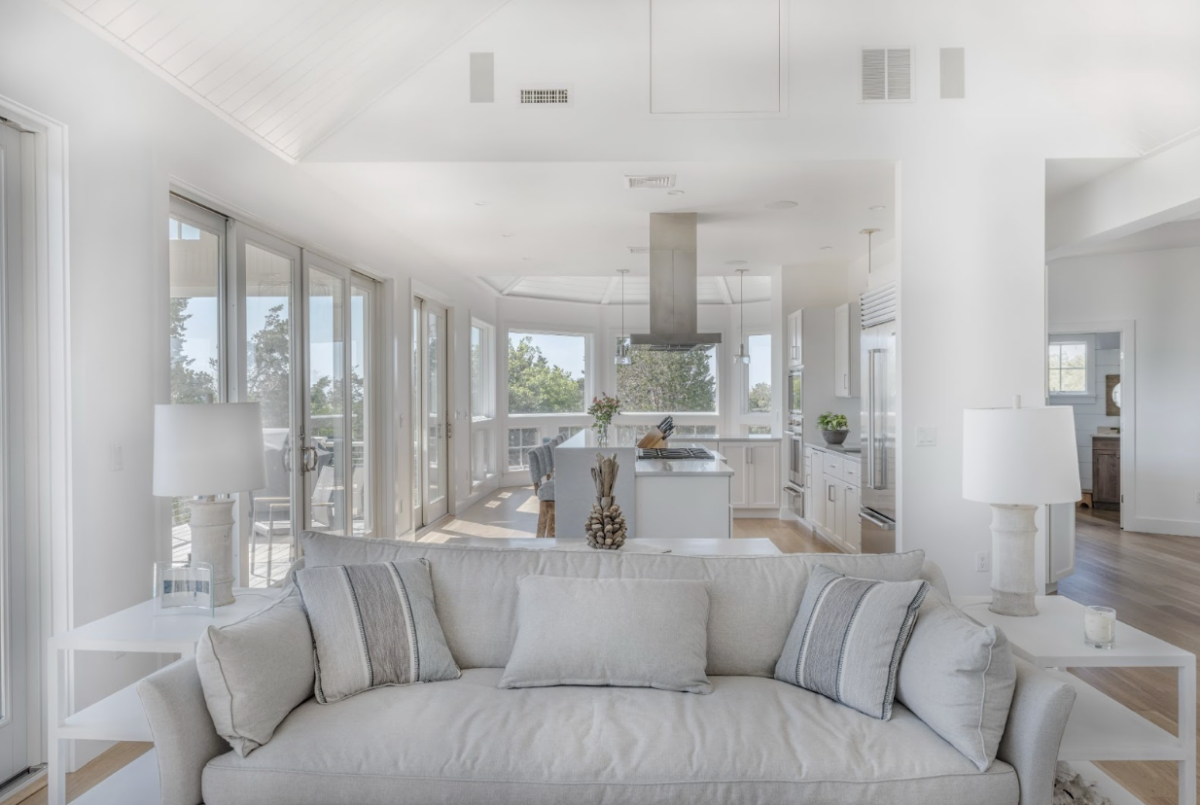
Designing for natural light on Cape Cod begins with understanding how sunlight moves across a property. Because of the region’s latitude and coastal climate, daylight behaves differently throughout the year.
Summer brings long daylight hours and high sun angles. Winter sunlight sits lower in the sky, entering homes more directly. Coastal reflections from water and sand also amplify brightness, particularly on properties with views.
Architects and builders often study these patterns early in the design-build process to determine how the home should sit on the lot. Orientation decisions influence everything that follows, from room layout to roofline design.
Homes that align living spaces with southern or southeastern exposure often capture the most balanced daylight across seasons. This orientation allows sunlight to fill the home during cooler months while still providing opportunities for shade during summer.
Why Window Placement Matters More Than Window Size
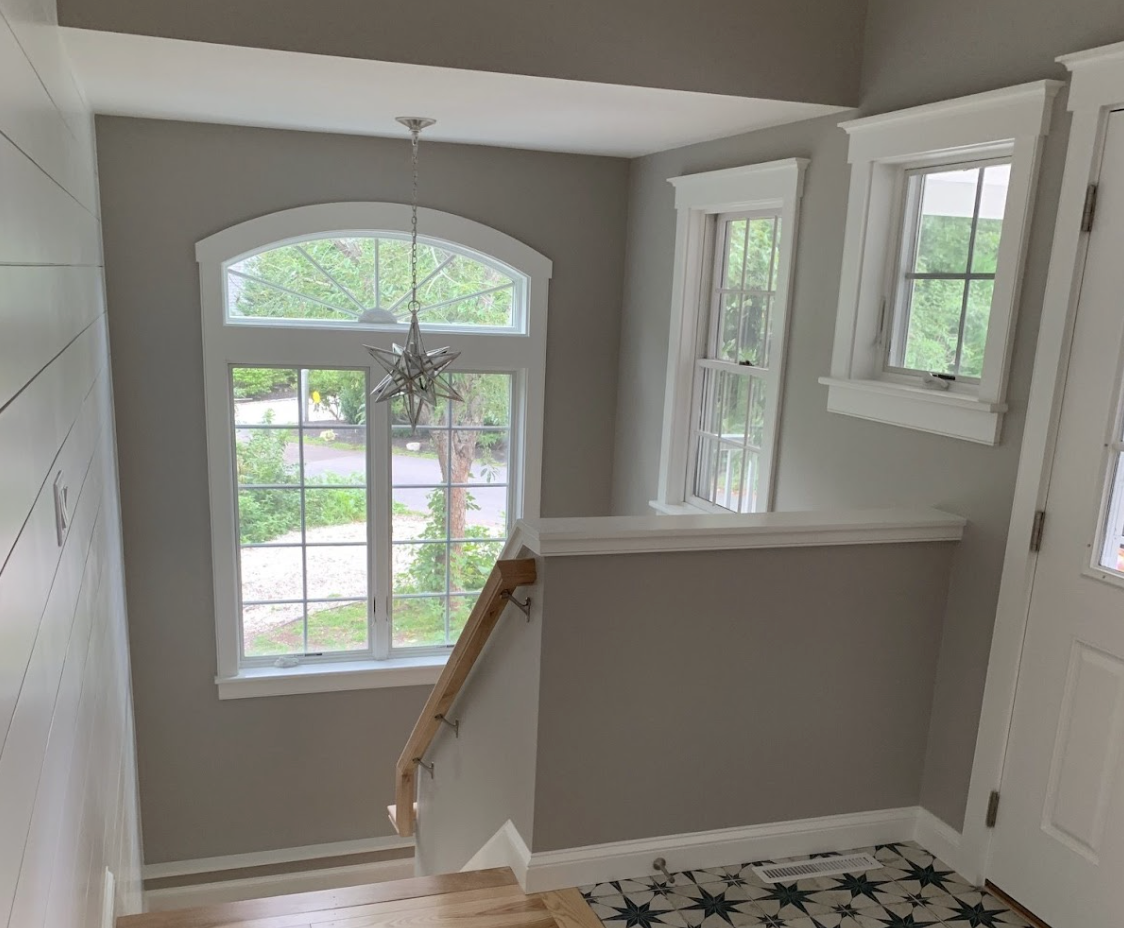
One of the most common misconceptions in home design planning is that more glass automatically equals better light.
In practice, window placement design is far more important than window size alone. A thoughtfully positioned window can illuminate an entire room, while poorly placed glazing may create glare, heat gain, or uneven lighting.
Successful coastal architecture typically balances several factors:
- The height and proportion of windows relative to the room
- The direction each window faces
- The depth of overhangs or rooflines above the glass
- The relationship between windows across adjacent walls
When these details align, daylight travels deeper into the home and creates a softer, more consistent atmosphere.
Designing Spaces That Follow the Light
Another key principle of natural light home design is aligning interior spaces with the daily rhythm of sunlight.
Morning light is often best suited for kitchens and breakfast areas. These spaces benefit from eastern exposure, allowing gentle daylight to fill the room early in the day.
Living areas typically benefit from southern exposure, which provides longer daylight hours and warmer winter sun. Bedrooms, depending on homeowner preference, may face east for morning light or west for softer evening illumination.
By organizing rooms around the movement of the sun, architects can create interiors that feel intuitive and comfortable without relying heavily on artificial lighting.
The Role of Architectural Details
Windows themselves are only one part of the equation. Architectural elements throughout the home help shape how light enters and moves through the space.
Dormers, for example, are a classic feature of Cape Cod coastal architecture. Beyond their visual appeal, they introduce additional daylight to upper floors and allow natural light to reach deeper into the home.
Interior design elements can also enhance brightness:
- Light-reflective wall colors
- Wide-plank wood floors that bounce daylight across the room
- Open staircases that allow light to travel between levels
- Transom windows and interior glass panels that extend light beyond exterior walls
These details often feel subtle, but collectively they create the airy, relaxed feeling many homeowners associate with coastal living.
Balancing Light With Comfort
While maximizing daylight is important, successful coastal architecture also considers comfort and energy performance.
Large windows facing west, for example, may create excessive heat during summer afternoons. Strategic overhangs, shade structures, or thoughtfully placed landscaping can soften that exposure while still allowing daylight into the home.
Energy-efficient glazing and modern window technologies also help regulate temperature without sacrificing brightness. In coastal regions where seasonal weather shifts can be dramatic, this balance between light and performance becomes especially important.
Designing Homes That Feel Connected to Their Setting
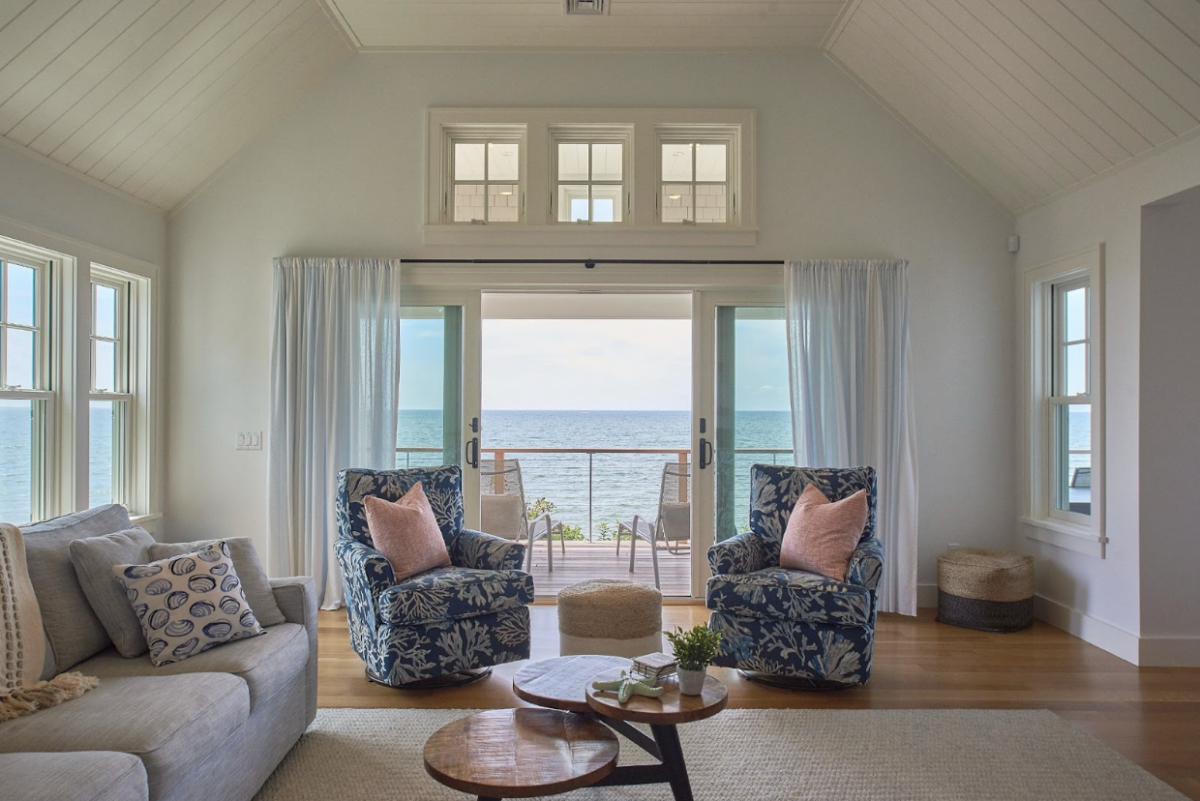
At its best, natural light home design does more than brighten interiors. It strengthens the relationship between the home and its landscape.
Well-placed windows frame views of marshes, gardens, and coastal horizons. Interior spaces feel more expansive because daylight visually connects rooms to the outdoors. Even on cloudy days, a frequent reality on Cape Cod, carefully designed homes retain a sense of openness and warmth.
For homeowners considering custom homes or major renovations in Southern Coastal Massachusetts, window strategy should never be an afterthought. When orientation, architecture, and window placement design work together from the beginning, the result is a home that feels welcoming, balanced, and deeply connected to its surroundings.
And in a region defined by light, water, and shifting seasons, that connection makes all the difference.