
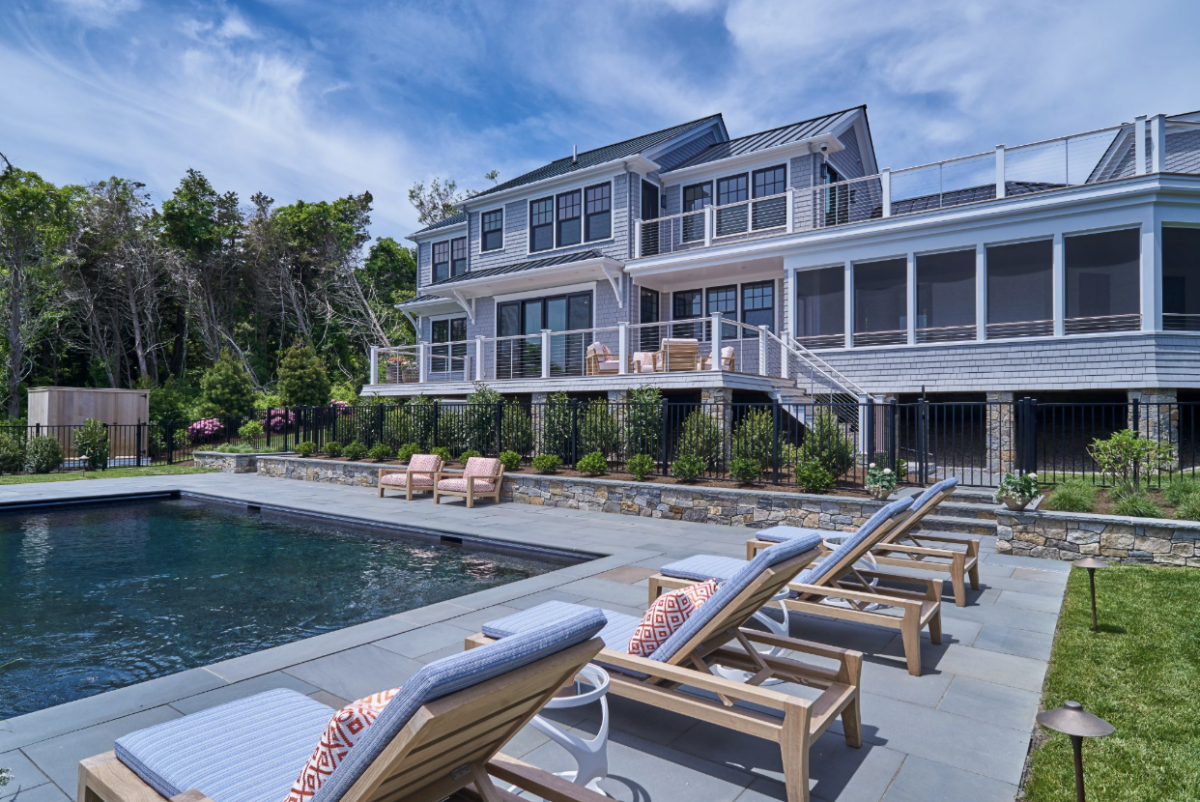
Cape Cod has always inspired extraordinary outdoor living.
Drive through any neighborhood here, from Falmouth to Chatham, from Osterville to Wellfleet, and you’ll find outdoor spaces as varied and creative as the people who designed them. Covered porches layered with string lights and weathered furniture. Stone patios that wrap around a home’s natural contours. Fire pits tucked into the dunes. Outdoor kitchens that have hosted more memorable meals than the ones inside.
There’s no single right way to design an outdoor space on the Cape. The landscape invites creativity, and today’s homeowners have endless inspiration available through magazines, social media, design apps, and the homes that surround them every day. The best outdoor spaces ultimately reflect the personality, lifestyle, and vision of the people who live there.
What many thoughtfully designed outdoor spaces tend to share, regardless of style, scale, or budget, is that they were considered early in the process. Not necessarily built all at once. Just included in the larger conversation about how the home will live and evolve over time.
THE OUTDOOR SPACE IS PART OF THE HOME
On the Cape, outdoor living isn’t simply a warm-weather feature. For a significant portion of the year, it’s part of how people naturally use their homes, morning coffee on the deck, long dinners outside in the summer, fall evenings gathered around a fire, quiet afternoons with the windows open and the boundary between inside and outside nearly invisible.
When outdoor spaces are considered alongside the home during the design process, that integration often feels more seamless. The transition from interior to exterior feels natural. The flow makes sense. The space connects to the home the way a well-designed room connects to the rooms beside it.
The good news is that this kind of integration doesn’t require a fixed formula or a specific aesthetic. It simply starts with asking thoughtful questions early, before structural decisions shape what may be easiest to accomplish later.
WHAT EARLY PLANNING CAN HELP SUPPORT
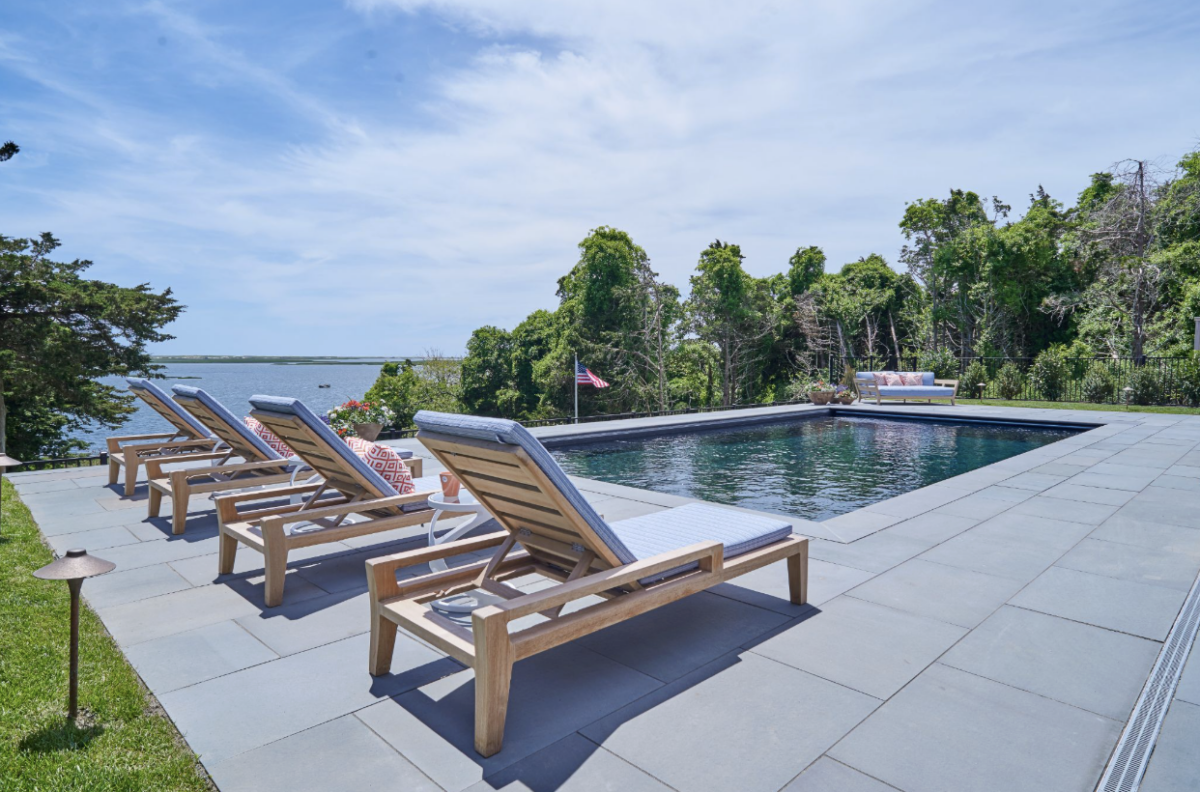
Planning outdoor spaces from the start isn’t about locking in every decision before construction begins. It’s about understanding how the space may be used and making sure the home is designed to support that vision, whatever form it eventually takes.
That can mean thinking through a few elements during the design stage that may be more involved to adjust later.
Sun and wind orientation. Where does the afternoon sun fall on the property? Where does the prevailing wind come from off the water? These conditions can help guide where a dining area may feel most comfortable, where a sheltered seating zone could make sense, and where an outdoor kitchen may function best. None of this requires a final design, it simply means understanding the property and allowing the site itself to help shape the plan.
Circulation between inside and outside. The path from the interior kitchen to an outdoor cooking or dining area often plays a larger role in everyday use than people initially expect. When the connection feels intuitive and easy, outdoor spaces naturally become part of daily living and entertaining. This is often easiest to think through during the floor plan stage.
The landscaping timeline. On Cape Cod, the plantings that eventually bring privacy, softness, wind protection, and character to an outdoor space take time to mature. Planning landscaping early allows those natural elements to grow alongside the home itself, creating outdoor environments that become even more beautiful over the years.
THE INFRASTRUCTURE CONVERSATION
One of the practical advantages of thinking about outdoor spaces early is the opportunity to incorporate supporting infrastructure during construction.
Outdoor kitchens are a great example, and they’ve become one of the most requested features in custom Cape Cod homes. A well-designed outdoor kitchen can completely transform how a home is used and how people gather. But what makes these spaces work well long-term is often the behind-the-scenes planning, gas lines, electrical service, water supply, drainage, and ventilation that connect back to the home’s systems.
When those systems are considered during construction, adding future flexibility tends to be much more straightforward. The same applies to outdoor lighting, audio systems, irrigation, and heating elements for covered spaces.
This doesn’t mean every outdoor feature needs to be completed immediately. Many homeowners choose to phase projects over time, building out spaces gradually as needs evolve. Early planning simply helps create a strong foundation so future additions can feel cohesive and naturally connected to the home.
DESIGNING FOR THE FULL CAPE COD CALENDAR
The shoulder seasons on Cape Cod are among the best parts of living here. May and June before the summer crowds. September and October when the light shifts and the pace slows. Even November can offer afternoons that invite you outside when a space is designed for comfort.
Designing outdoor areas with more than just peak summer in mind can help extend how often those spaces are enjoyed throughout the year.
Coverage can help create comfort in multiple seasons. A pergola, deep overhang, or covered outdoor room can provide shade during the height of summer while also offering protection from wind and light rain in cooler months. It also helps define the outdoor space as an intentional extension of the home.
Heating elements such as infrared ceiling heaters, outdoor fireplaces, or fire pits can make outdoor living more comfortable later into the season. On the Cape, these additions often help outdoor spaces remain active gathering areas well beyond Labor Day.
Lighting also plays an important role. A thoughtful exterior lighting plan, pathway lighting, ambient lighting in covered spaces, and accent lighting within landscaping can extend the usability of outdoor spaces into the evening while creating warmth and atmosphere that daytime photos rarely capture.
OUTDOOR KITCHENS AND ENTERTAINING SPACES
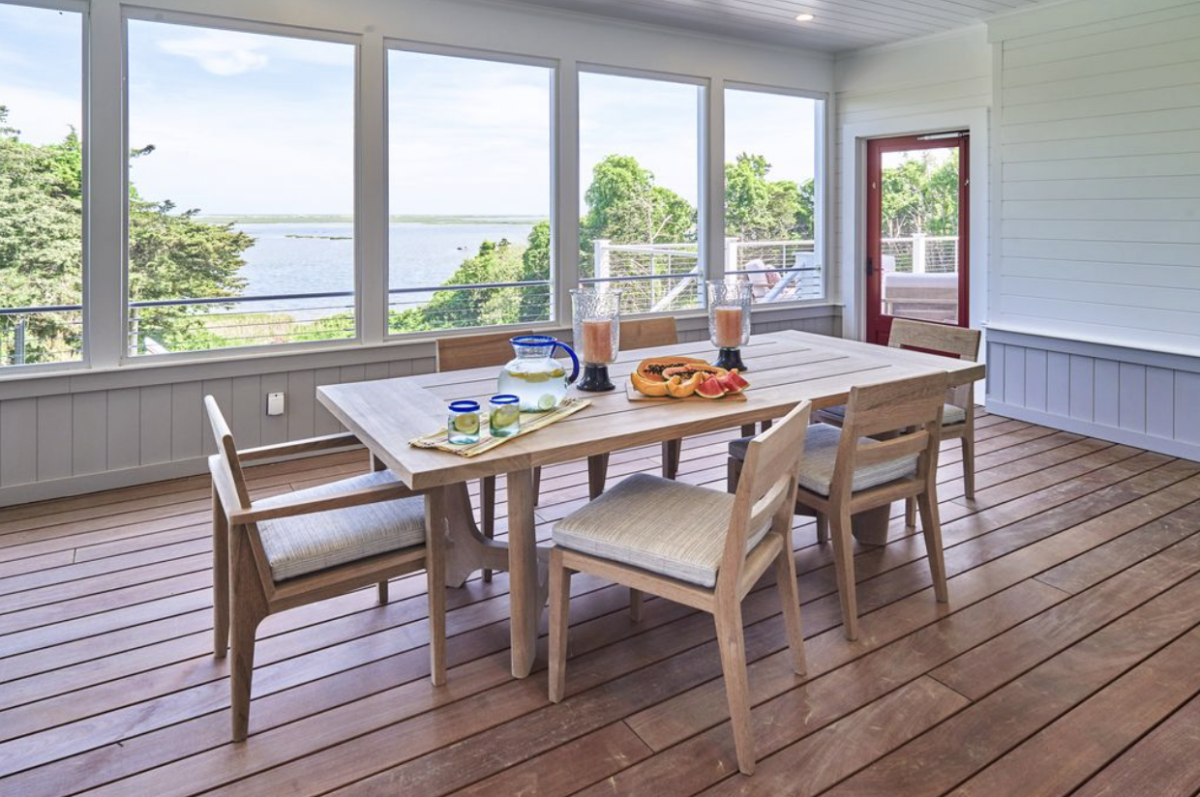
The outdoor kitchens and entertaining spaces that feel most successful on Cape Cod often share one thing in common: they feel personal to the property and the people who live there.
That comes from approaching the outdoor kitchen as part of the overall design experience rather than simply selecting appliances or finishes.
Placement is often one of the most important considerations. Many homeowners want the outdoor kitchen close enough to the interior for convenience while also positioned in a way that keeps the cook connected to guests and conversation. Thinking about how the dining, lounging, and cooking spaces interact together can help create a more natural flow overall.
Materials also deserve thoughtful consideration in a coastal environment. Marine-grade stainless steel, weather-resistant cabinetry, and stone or tile selected for freeze-thaw durability can help outdoor spaces hold up beautifully through years of salt air and changing New England seasons.
THE INSIDE-OUTSIDE CONNECTION
The transition between interior and exterior spaces is one of the defining features of coastal home design and one of the most rewarding investments many homeowners make.
Large sliding or folding glass door systems that open entire wall sections can create a connection between inside and outside that changes how both spaces feel. The kitchen that opens fully to an outdoor dining area. The living room that extends naturally onto a covered porch. These transitions help outdoor spaces feel fully integrated into the home’s architecture and daily life.
These types of connections are often easiest to accomplish when considered from the beginning. Structural requirements, floor level relationships, and the way natural light moves through the home all benefit from early coordination during the design phase.
A FINAL THOUGHT
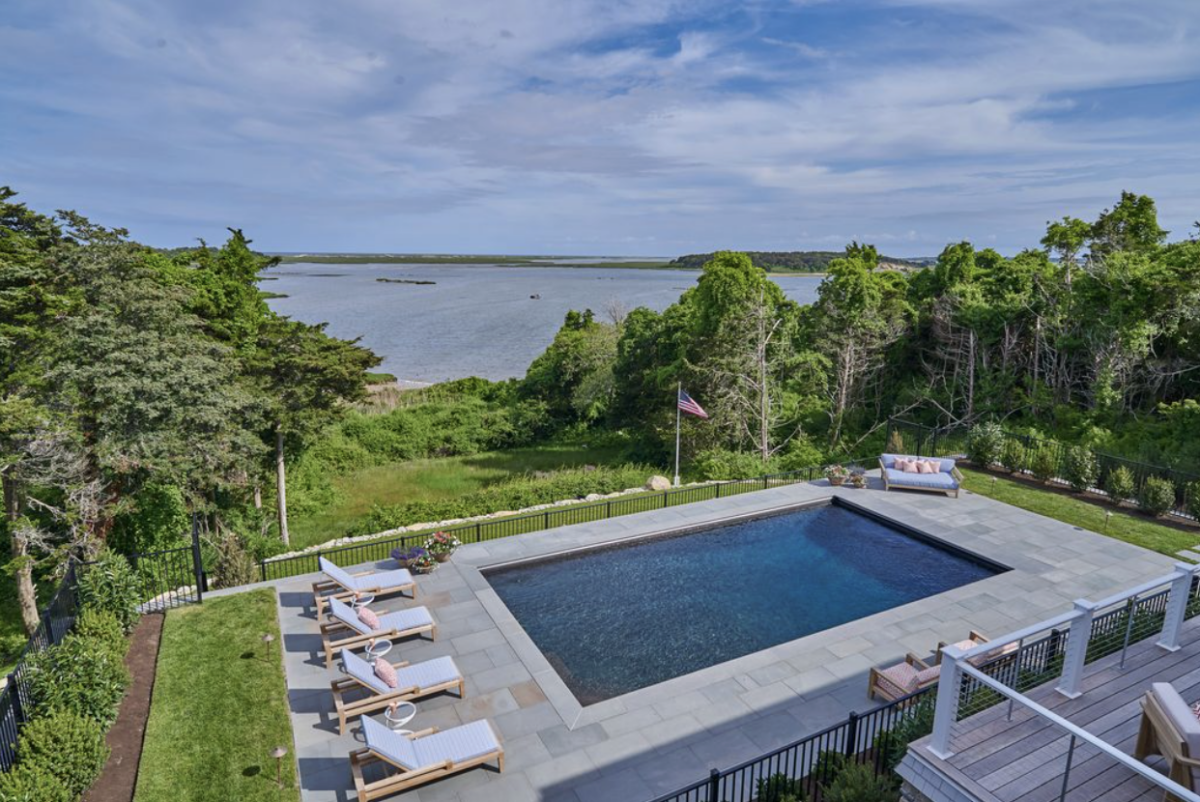
The outdoor spaces that tend to age beautifully and become meaningful gathering places are rarely defined by a single style or formula. On Cape Cod, some of the most memorable outdoor environments are traditional, while others are unexpected, creative, and entirely unique to the homeowner. That’s part of what makes coastal living here so personal and inspiring.
What early planning offers isn’t a rigid blueprint. It’s flexibility. It creates an opportunity to think ahead about how a home may grow, entertain, relax, and connect to the outdoors over time.